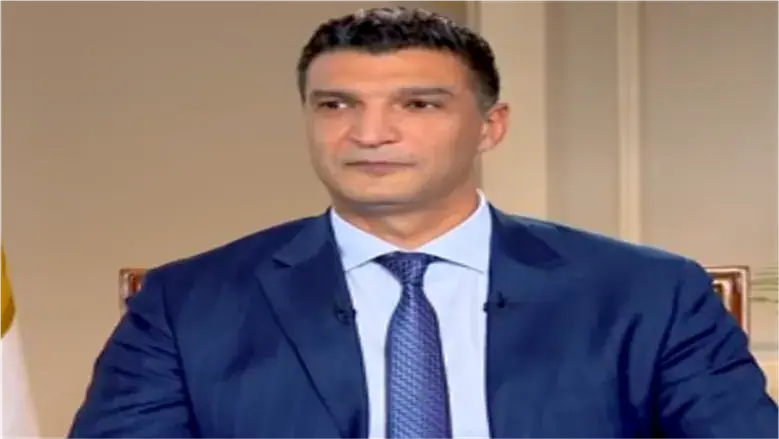
Egyptian Industry Minister Khalid Hisham has announced that the ministry is targeting a significant increase in food industry exports, aiming to reach $20 billion within the next four years. Currently, the sector exports around $6.8 billion annually. The minister stated that this goal will be achieved through a comprehensive plan that includes determining the necessary investments to develop the processing of agricultural products and increasing the cultivated area.
Minister Hisham revealed that the ministry has identified five key groups of industries to focus on, taking into account global variables and trends. These groups include industries that integrate into global supply chains, strategic industries, enabling industries, complementary industries, and circular economy and recycling industries. The minister emphasized that all industries will receive support and attention, but these groups will be the primary focus of the ministry's plan.
The first group of industries, which integrate into global supply chains, comprises seven sectors: food, automotive, electronics, ready-made clothing, textiles, pharmaceuticals, and engineering industries. The ministry aims to establish Egypt as a key player in the global supply chain for these industries within 5-7 years. This will involve significant investments and development of the necessary infrastructure to support these industries.
The second group of industries, classified as strategic, includes sectors such as iron and steel, construction materials, cement, marble, fertilizers, and chemicals. The ministry will focus on exploiting Egypt's natural resources, rather than exporting them in their raw form, and establishing industries based on these resources. This approach is expected to create new opportunities for economic growth and job creation.
Minister Hisham also highlighted the importance of complementary industries, which include sectors such as mold manufacturing, refractory materials, and conveyor belt production. These industries are crucial for the development of other sectors, but Egypt currently relies heavily on imports. The minister announced that two major international companies have already agreed to establish factories in Egypt, and work is underway to set up these facilities.
The ministry's plan also includes initiatives to promote the circular economy and recycling. Minister Hisham stated that each industry has a tailored plan to achieve specific goals by the end of 2030. The ministry is working to attract local, regional, and international investments to support these initiatives and promote sustainable economic growth.
To achieve its goals, the ministry will provide various options for investors, including partnerships between international companies and the Egyptian private sector. The minister emphasized that the primary objective is to facilitate the work of the private sector and provide support where needed. The success of this plan is expected to enhance the competitiveness of Egyptian products and increase the country's exports.
Key points
- Egypt aims to increase food industry exports to $20 billion within four years.