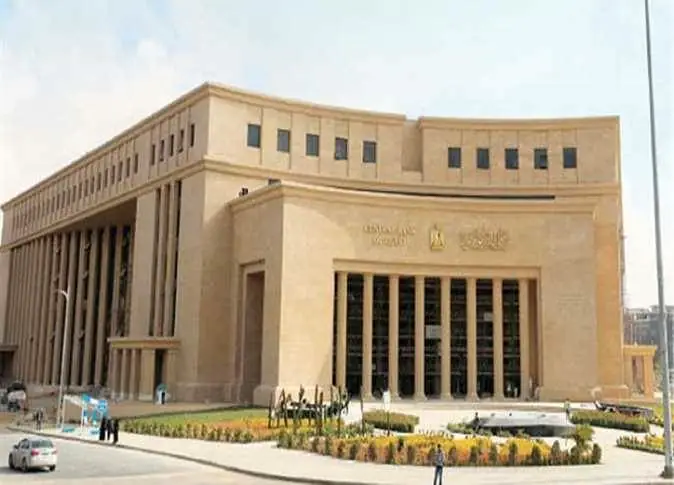
Egypt's Treasury is likely to be the biggest loser from the Central Bank's unexpected decision to raise interest rates by 1%. The move is expected to increase the cost of servicing the country's debt. According to the financial statement of the current year's budget, a 1% increase in interest rates will lead to a 120 billion Egyptian pound increase in domestic debt interest payments. This is likely to widen the budget deficit for 2026/2027 to 5.1% of GDP.
The interest rate hike comes at a time when the government is heavily reliant on domestic debt instruments to finance its needs. The Treasury is the largest borrower from local banks, and the increased interest rates will add to its financial burden. Despite this, the government remains committed to its fiscal consolidation path and improving its financial performance. The budget statement notes that the Treasury is taking measures to mitigate the impact of the interest rate hike.
The measures include diversifying funding sources, such as bonds, sukuk, and savings certificates, and working to reduce the debt-to-GDP ratio. The Ministry of Finance aims to achieve a primary surplus in the budget and extend the maturity of the debt. The government is also making progress in swapping debts for developmental investments and continuing with its asset sale program.
Economists have noted that the Central Bank's decision to raise interest rates is aimed at attracting hot money, which can impact the exchange rate of the Egyptian pound against the US dollar. Dr. Yumn al-Hamaki, an economics professor at Ain Shams University, said that the interest rate hike is necessary to curb inflationary pressures, despite its negative impact on public debt and investment.
The interest rate hike is also expected to have an impact on the stock market, which has been experiencing significant volatility. The Egyptian Exchange has seen a decline in recent days, and the regulator has taken steps to mitigate the impact of the market fluctuations. The government has also been working to encourage investment and improve the business climate.
The Central Bank's decision to raise interest rates has been seen as a surprise move, but it is part of a broader effort to stabilize the economy and control inflation. The bank has been working to balance the need to support economic growth with the need to keep inflation under control. The interest rate hike is expected to have a significant impact on the economy, particularly on the Treasury's finances.
The government's commitment to fiscal discipline and financial reform is seen as a positive step, but the impact of the interest rate hike on the economy remains to be seen. The Treasury's ability to manage its debt and maintain its financial stability will be crucial in the coming months. The government's efforts to diversify its funding sources and reduce its debt burden will also be important in mitigating the impact of the interest rate hike.
Key points
- Egypt's Treasury is expected to bear the brunt of the 1% interest rate hike.
- The interest rate hike is expected to increase the cost of servicing the country's debt.
- The government remains committed to its fiscal consolidation path and improving its financial performance.