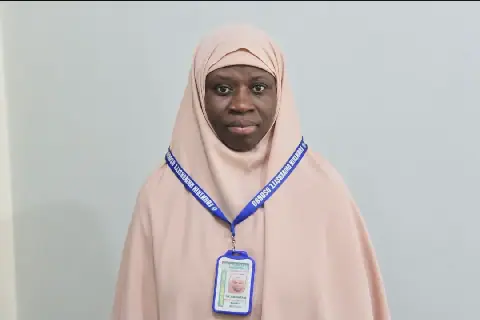
The 4th Isis International Women's Theater Festival, set to begin on September 25, 2026, will kick off with a tribute to Dr. Samia Habib, a renowned critic and academic. Habib's work has had a significant impact on Egyptian theater and criticism, and her honor at the festival is a testament to her dedication and contributions to the field. With a career spanning multiple institutions, including the Academy of Arts and the Higher Institute of Artistic Criticism, Habib has established herself as a leading figure in Egyptian theater criticism.
Dr. Habib's academic presence extends to Benha University, where she has taught and conducted research. Her work has been recognized with several awards, including the 2014 State Encouragement Prize in Social Sciences for her book "Values of Belonging in Egyptian Culture." Habib has also authored several influential books on theater and criticism, including "The Poetry of Drama," "Women's Theater in Egypt," and "Readings in Drama." Her work has not only enriched the field of theater criticism but also provided a platform for emerging voices in Egyptian theater.
One of Habib's most significant contributions is her research on the representation of women in Egyptian theater. Her study on the image of society in plays by Egyptian female playwrights went beyond well-known works, seeking out lesser-known voices and experiences. By delving into historical documents and archives, Habib uncovered the works of women like Jadhuba Sedki, Sophie Abdallah, and Fawzia Mehrain, who had largely been forgotten in the history of Egyptian theater. Her work has shed new light on the contributions of these women and paved the way for future generations of female playwrights and theater practitioners.
Habib's book "Unknown Texts from Women's Theater" is another notable achievement in her career. In this work, she rediscovered and published two previously unpublished plays, "Kespna Al-Barymo" by Sophie Abdallah and "Skan Al-Emmara" by Jadhuba Sedki. This research not only expanded the canon of Egyptian theater but also highlighted the importance of preserving and promoting the work of women in the field. By recovering these lost texts, Habib has ensured that the contributions of these women are recognized and celebrated.
The Isis International Women's Theater Festival's decision to honor Habib reflects the significance of her work in promoting women's theater and criticism in Egypt. As a festival that seeks to provide a platform for women's voices in theater, the organizers saw Habib's work as a natural fit. Her research and writings have consistently highlighted the importance of women's contributions to Egyptian theater, and her honor at the festival is a recognition of her tireless efforts to promote and preserve this heritage.
Habib's impact extends beyond her academic work, as she has also been an active participant in the critical and theatrical communities. She has served on several judging panels and contributed to the development of theatrical criticism in Egypt. Her commitment to promoting women's theater and criticism has inspired a new generation of scholars and practitioners, ensuring that her legacy will continue to be felt in the years to come.
The tribute to Dr. Samia Habib at the Isis International Women's Theater Festival is a fitting recognition of her contributions to Egyptian theater and criticism. As a scholar, critic, and advocate for women's theater, Habib has left an indelible mark on the field. Her work serves as a testament to the power of criticism and scholarship in shaping our understanding of theater and its role in society.
Key points
- Dr. Samia Habib to be honored at the 4th Isis International Women's Theater Festival for her contributions to theater and criticism.