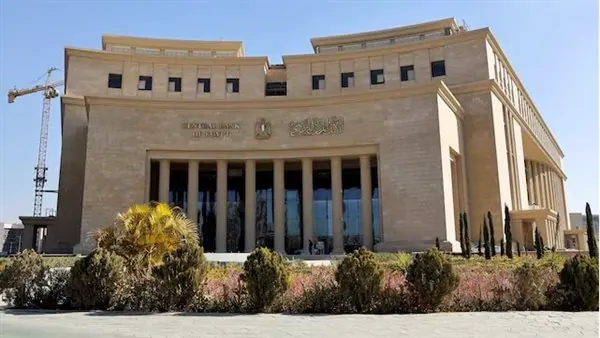
The Central Bank of Egypt announced that the country's foreign exchange reserves reached $57.35 billion at the end of September 2026, compared to $57.2145 billion at the end of August 2026. This increase is part of the bank's efforts to boost the country's dollar reserves. The central bank manages the country's international reserves, which are used to provide liquidity and insurance to the state.
The international reserves, also known as net international reserves (NIR), consist of foreign currency assets that Egypt holds outside its borders. These reserves are used to ensure the country's ability to meet its external obligations and to mitigate the effects of external economic shocks. The Central Bank of Egypt is responsible for managing the country's international reserves, which are a crucial component of the country's economic stability.
The official reserves play a vital role in supporting various economic objectives, including promoting confidence in monetary policies and exchange rate management. They also help to reduce the country's exposure to external shocks and ensure that the state can meet its external obligations. Additionally, the reserves provide a buffer against economic crises or emergencies.
The Central Bank of Egypt's policy for managing foreign exchange reserves is based on three main principles: safety, liquidity, and return on investment. The bank's investment policy takes into account the structure of Egypt's external debt, including the maturity and currency composition of the debt, to minimize the risks associated with external sector fluctuations.
Egypt's official reserves consist of various assets, including foreign currency assets, deposits, securities, gold, and special drawing rights (SDRs) from the International Monetary Fund. The central bank's management of these reserves is guided by internal rules and regulations to ensure that the principles of safety, liquidity, and return on investment are maintained.
The increase in foreign exchange reserves is a positive development for Egypt's economy, which has faced various challenges in recent years. The central bank's efforts to boost the country's dollar reserves are aimed at ensuring that the state can meet its external obligations and maintain economic stability.
The Central Bank of Egypt's announcement is likely to be welcomed by investors and economic analysts, who have been closely monitoring the country's economic developments. The increase in foreign exchange reserves provides a positive indicator of the country's economic health and its ability to meet its external obligations.
Key points
- Egypt's foreign exchange reserves increased to $57.35 billion as of September 2026.
- The Central Bank of Egypt manages the country's international reserves, which are used to provide liquidity and insurance to the state.
- The official reserves play a vital role in supporting various economic objectives, including promoting confidence in monetary policies and exchange rate management.