The governorate of Dakahlia, Egypt, is taking steps to establish sites for collecting rice straw, a major agricultural waste product. The initiative aims to mitigate the environmental impact of straw burning, which contributes to the "black cloud" phenomenon, a severe air pollution event that occurs annually in the region. According to Dr. Hussein Magrabi, Deputy Governor of Dakahlia, the move is part of the government's efforts to promote sustainable waste management practices.
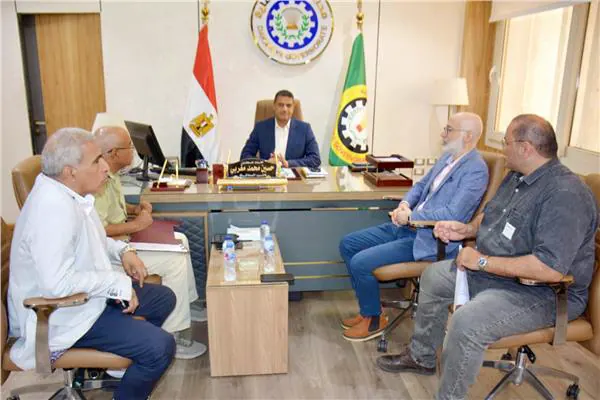
Dr. Magrabi recently chaired a meeting to review progress on setting up the collection sites and to address any challenges faced by contractors. The meeting was attended by officials from various agencies, including the Ministry of Agriculture, the Ministry of Environment, and the Dakahlia Governorate's agricultural reform department. The Deputy Governor emphasized the importance of expediting the completion of necessary procedures and approvals to ensure the timely implementation of the project.
The initiative is in line with directives from the Egyptian government to manage agricultural waste safely and maximize its economic benefits. The collection and recycling of rice straw are expected to reduce the environmental and health impacts associated with open burning, which is a common practice in the region. By promoting the use of rice straw as a valuable resource, the governorate aims to support sustainable agriculture and reduce pollution.
The "black cloud" phenomenon, which occurs when large amounts of agricultural waste are burned, causing severe air pollution, is a major concern in Egypt. The government has been working to address the issue through various initiatives, including the promotion of sustainable waste management practices and the development of new technologies for recycling agricultural waste.
The Dakahlia governorate's efforts to establish rice straw collection sites are part of a broader strategy to improve waste management and reduce pollution in the region. The initiative is expected to have a positive impact on the environment and public health, as well as the local economy. By creating new opportunities for the use of rice straw, the governorate aims to support sustainable development and reduce the environmental costs associated with agricultural production.
According to officials, the collection sites will be equipped with modern technology to facilitate the efficient collection and processing of rice straw. The project is expected to create new jobs and stimulate economic growth in the region, while also contributing to the government's efforts to protect the environment and promote sustainable development.
The Dakahlia governorate's initiative to establish rice straw collection sites is a significant step towards reducing air pollution and promoting sustainable waste management practices in Egypt. The project is expected to serve as a model for other governorates and contribute to the country's efforts to address environmental challenges and promote sustainable development.
Key points
- The Dakahlia governorate's initiative aims to reduce air pollution and promote sustainable waste management practices.