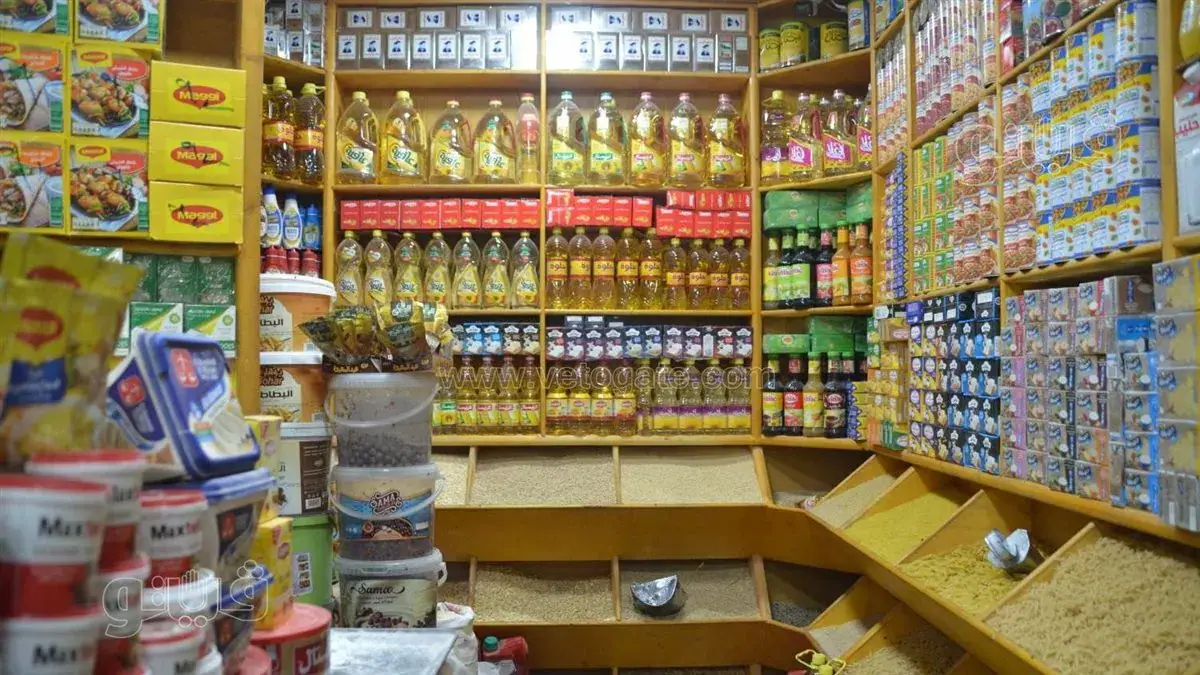
The World Bank has released its report on commodity prices for 2026, highlighting significant fluctuations in global commodity prices. According to the report, global commodity prices are expected to rise by 23% in 2026. This increase is attributed to various factors, including the ongoing conflict between Russia and Ukraine, which has disrupted grain shipments in the Black Sea region. The report also provides projections for 2027, anticipating a 7% decrease in commodity prices.
The World Bank projects that food commodity prices will increase by over 10% in 2026 due to disruptions in grain shipments caused by the Russia-Ukraine conflict. In 2027, food commodity prices are expected to rise by more than 7%, resulting in a cumulative increase of approximately 18%. These projections indicate a significant impact on global food markets. The fluctuations in food prices can have far-reaching consequences for countries reliant on imports.
The World Bank also forecasts a 14% increase in fertilizer prices in 2026, driven primarily by a surge in urea prices. However, the report expects fertilizer prices to return to 2025 levels in 2027. This anticipated fluctuation in fertilizer prices may affect agricultural production and costs globally. Egypt, being a significant agricultural producer, may also be impacted by these changes.
According to the World Bank report, metal prices are expected to rise by 25% in 2026, reaching a record high. The increase is attributed to supply chain disruptions and strong demand related to investments in renewable energy, electric vehicles, and data centers. Specifically, aluminum, copper, and tin prices are expected to reach record levels. This surge in metal prices may have implications for various industries, including construction and manufacturing.
On a related note, Egyptian Minister of Water Resources and Irrigation, Dr. Hani Suwelm, recently met with David Michoud, World Bank Sector Manager for Water, to discuss enhancing cooperation in water resources management. The meeting took place on the sidelines of the 9th Cairo Water Week. Dr. Suwelm emphasized Egypt's appreciation for its long-standing partnership with the World Bank and the importance of continued collaboration.
During the meeting, Dr. Suwelm and Michoud explored opportunities for cooperation in developing water infrastructure, improving irrigation and drainage systems, and expanding water treatment and reuse. They also discussed leveraging modern technologies and digital transformation to support sustainable water management and enhance resilience to climate change. These efforts align with Egypt's national priorities and the 2050 Water Resources and Irrigation Strategy.
The Egyptian government is focused on developing its water resources and improving the efficiency of its irrigation systems. With the World Bank's support, Egypt aims to enhance its water management capabilities and address the challenges posed by climate change. By working together, the two parties can promote sustainable development and improve the livelihoods of Egyptian citizens.
Key points
- The World Bank projects a 23% increase in global commodity prices in 2026, followed by a 7% decrease in 2027.
- Food commodity prices are expected to increase by over 10% in 2026 and by more than 7% in 2027.
- Egypt is working with the World Bank to enhance cooperation in water resources management and develop its irrigation systems.