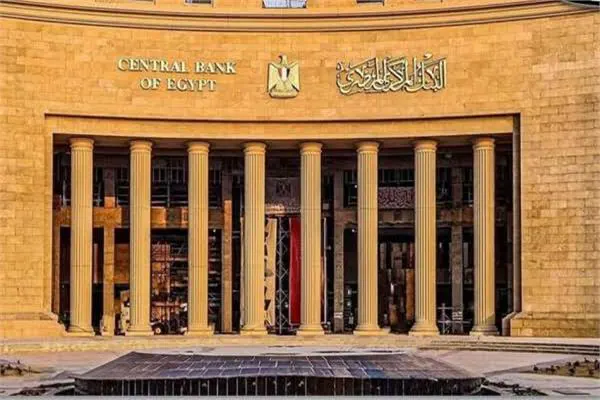
The Central Bank of Egypt has withdrawn liquidity from the local market worth over half a trillion pounds through a fixed-rate deposit auction. The bank's move is part of its weekly deposit auctions, which take place every Tuesday. In its latest auction, the Central Bank accepted 536.950 billion pounds in deposits at a fixed interest rate of 19.5% for a period of seven days.
The Central Bank's deposit auctions are a key tool for managing liquidity in the local market. By withdrawing excess liquidity, the bank aims to maintain a stable monetary environment and control inflation. The bank's decision to use a fixed interest rate of 19.5% for the latest auction reflects its efforts to balance the market and ensure that liquidity remains in line with its operational goals.
According to the Central Bank's statement, the latest deposit auction had a 100% allocation rate, with a total of 10 bids accepted. The bank's use of a full allotment system, where all bids are accepted, ensures that the market has sufficient liquidity. The Central Bank's website publishes the results of its deposit auctions, providing transparency and clarity on its monetary policy operations.
The Central Bank's management of liquidity is crucial in maintaining financial stability in Egypt. By controlling the money supply and interest rates, the bank can influence economic activity and inflation. The bank's operational goal is to maintain a stable average interest rate for overnight transactions between banks, around the corridor rate, which is the midpoint of the interest rate range.
The Central Bank's decision to withdraw 536 billion pounds from the local market reflects its ongoing efforts to manage liquidity and maintain financial stability. The bank's actions are closely watched by financial markets and investors, who seek to understand the bank's policy stance and its implications for the economy.
Egypt's financial markets have been subject to volatility in recent times, and the Central Bank's actions have been critical in maintaining stability. The bank's use of deposit auctions and other monetary policy tools helps to regulate the money supply and maintain confidence in the financial system.
The Central Bank's move to withdraw liquidity at a fixed interest rate of 19.5% reflects its commitment to maintaining a stable monetary environment. The bank's actions will continue to be closely watched by investors and financial markets, as they seek to understand the implications of its policy stance for the Egyptian economy.
Key points
- The Central Bank of Egypt has withdrawn 536 billion pounds from the local market at a fixed interest rate of 19.5%.
- The bank's move is part of its weekly deposit auctions, aimed at managing liquidity and maintaining financial stability.
- The Central Bank's actions reflect its ongoing efforts to balance the market and control inflation.