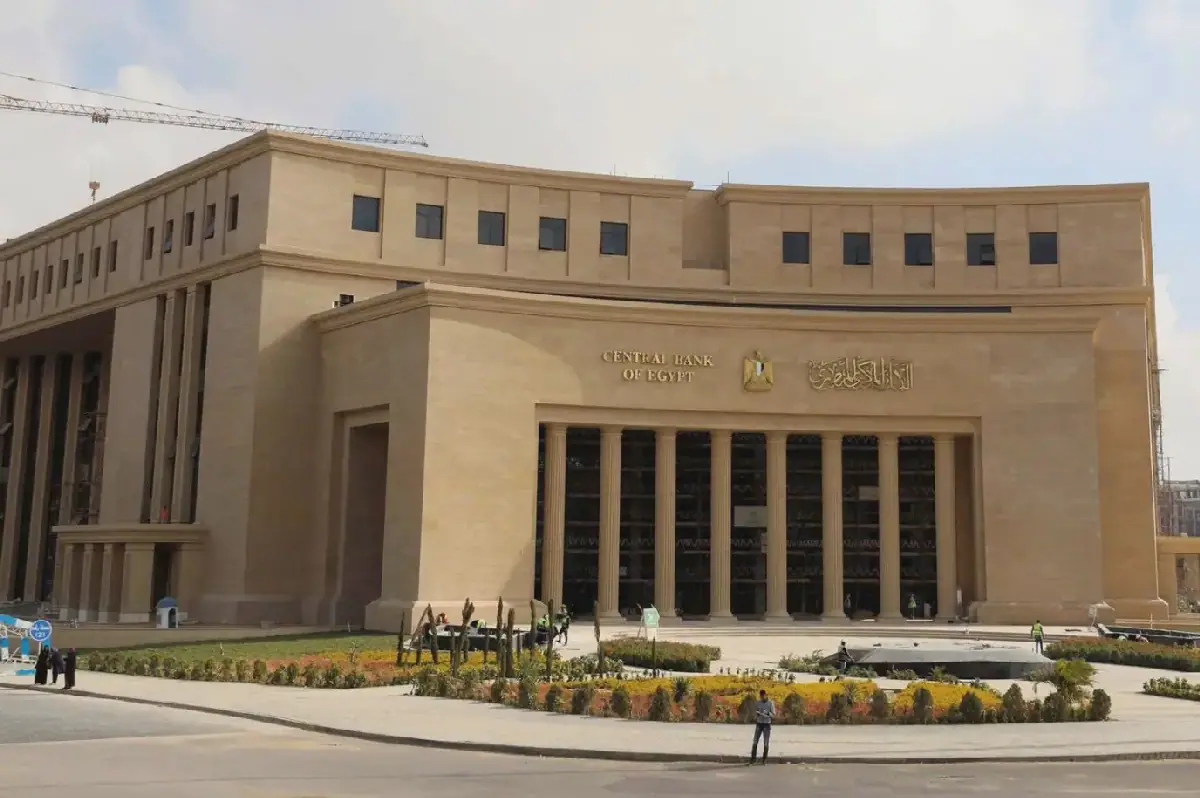
The Central Bank of Egypt (CBE) has raised its key interest rates by 100 basis points, or 1 percentage point, in a move that caught many market analysts off guard. The decision, made by the Monetary Policy Committee (MPC), aims to anchor inflationary expectations and mitigate domestic and external economic pressures. The overnight deposit, overnight lending, and main operation rates have been increased to 20.0 percent, 21.0 percent, and 20.5 percent respectively. The credit and discount rate was also raised to 20.5 percent.
The surprise rate hike reflects the CBE's heightened concerns over persistent inflationary risks and shifting global macroeconomic dynamics. According to banking expert Hany Aboul Fotouh, global interest rate trajectories, particularly decisions by the US Federal Reserve and major central banks, remain a critical variable for Egyptian monetary policy. The CBE's move is aimed at preserving the appeal of local debt instruments and mitigating hot money outflows.
The decision to raise interest rates comes amid significant currency pressure, with the US dollar approaching EGP 56 in local banking channels. This poses immediate cost-push inflation risks for imported food commodities and essential production inputs. Aboul Fotouh noted that the CBE's push to preserve the appeal of local debt instruments is crucial in this context.
Escalating regional geopolitical tensions have further compounded market uncertainty, heightening risks of disruption across global energy markets, trade corridors, and supply chains. The central bank reiterated that the tighter monetary stance aims to counter pass-through effects from rising food and energy costs, safeguarding domestic purchasing power amidst an unfavorable global economic environment.
The CBE's decision is also driven by a desire to tackle inflation threats. The bank has emphasized that the rate hike is necessary to mitigate the impact of rising food and energy costs on domestic purchasing power. This move is seen as crucial in maintaining economic stability in the face of global uncertainty.
The rate hike is expected to have significant implications for the Egyptian economy. It is likely to increase the cost of borrowing for consumers and businesses, potentially slowing down economic growth. However, the CBE believes that the move is necessary to ensure long-term economic stability and mitigate the risks of inflation and currency fluctuations.
The CBE's decision to raise interest rates by 1% is a clear indication of its commitment to tackling inflation and mitigating economic pressures. The move is seen as a proactive step to address the challenges facing the Egyptian economy, including currency fluctuations and rising food and energy costs. The bank will continue to monitor the situation and adjust its policies as necessary to ensure economic stability.
Key points
- The Central Bank of Egypt raised interest rates by 1% to combat inflation and mitigate economic pressures.
- The rate hike aims to preserve the appeal of local debt instruments and mitigate hot money outflows.
- The decision was driven by concerns over persistent inflationary risks and shifting global macroeconomic dynamics.