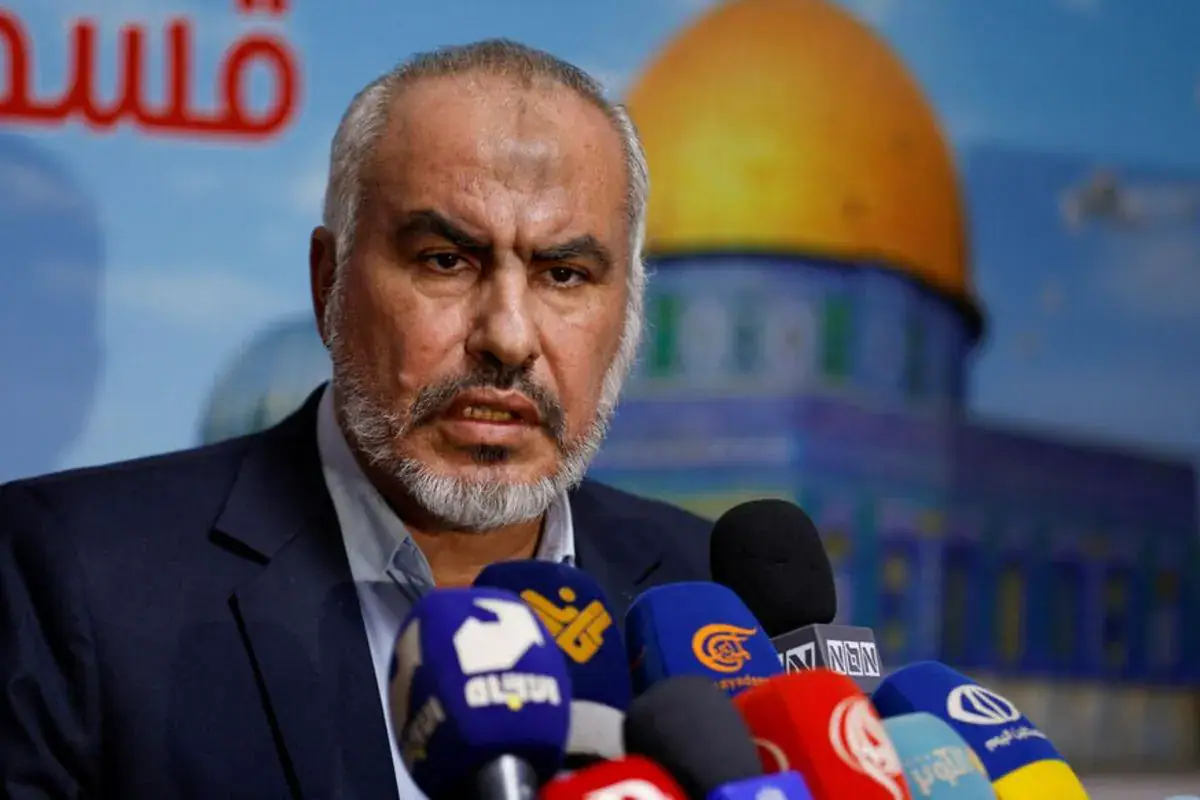
Egypt has rejected a citizenship application from Asmaa Ghazi Hamad, daughter of senior Hamas political bureau member Ghazi Hamad, citing security concerns. According to a ministerial decree published in the country's Official Gazette, the application was denied based on Article 3(2) of Law No. 154 of 2004, which amends provisions of Egypt's Nationality Law No. 26 of 1975. Asmaa, a Palestinian national born on June 2, 1989, had sought Egyptian citizenship through her mother, who holds Egyptian nationality.
The decision to reject Asmaa's application was made by the Interior Minister, who has the authority to reject applications on stated grounds within the legally prescribed period. The law allows people born to Egyptian mothers and foreign fathers before the 2004 amendment to apply for citizenship. However, the rejection has raised questions, as three of Asmaa's siblings had previously obtained Egyptian citizenship through the same legal process. A source close to the family described the decision as surprising.
According to the source, Asmaa was living in Egypt when she submitted her application before relocating to Qatar with her husband, who works in the education sector. The source also maintained that she had no known security concerns or criminal record. The published decree, however, did not provide further details about the specific security concerns behind the rejection. The rejection has sparked interest, given Egypt's role in mediation efforts involving Hamas and Israel.
This is not the first time Egypt has rejected citizenship applications from relatives of senior Hamas leaders. In 2013, Egypt rejected citizenship applications by relatives of senior Hamas leader Mahmoud al-Zahar on security grounds. The applications involved his daughter, Huda, and two nephews, despite al-Zahar having previously obtained Egyptian citizenship through his Egyptian mother.
Ghazi Hamad is a senior Hamas political figure and member of the movement's political bureau. He has also served as a spokesperson and held several administrative positions in Gaza. His international profile grew during the war between Israel and Hamas, particularly through his involvement in indirect negotiations over ceasefire arrangements and prisoner exchanges.
Egypt has played a central role in mediation efforts involving Hamas and Israel, working alongside Qatar and the United States to negotiate ceasefire arrangements and address the humanitarian situation in Gaza. The rejection of his daughter's citizenship application highlights the intersection of Egypt's nationality procedures and its security considerations concerning individuals linked to Palestinian political organisations.
The rejection of Asmaa's citizenship application has sparked debate about Egypt's approach to citizenship applications involving people connected to Hamas. The country's approach has attracted attention since the political changes that followed the removal of former President Mohamed Morsi in 2013. The incident raises questions about the criteria used to evaluate citizenship applications and the role of security concerns in the decision-making process.
Key points
- Egypt rejects citizenship application from Asmaa Ghazi Hamad, daughter of senior Hamas political bureau member Ghazi Hamad, citing security concerns.
- The rejection is based on Article 3(2) of Law No. 154 of 2004, which amends provisions of Egypt's Nationality Law No. 26 of 1975.
- The decision highlights the intersection of Egypt's nationality procedures and its security considerations concerning individuals linked to Palestinian political organisations.