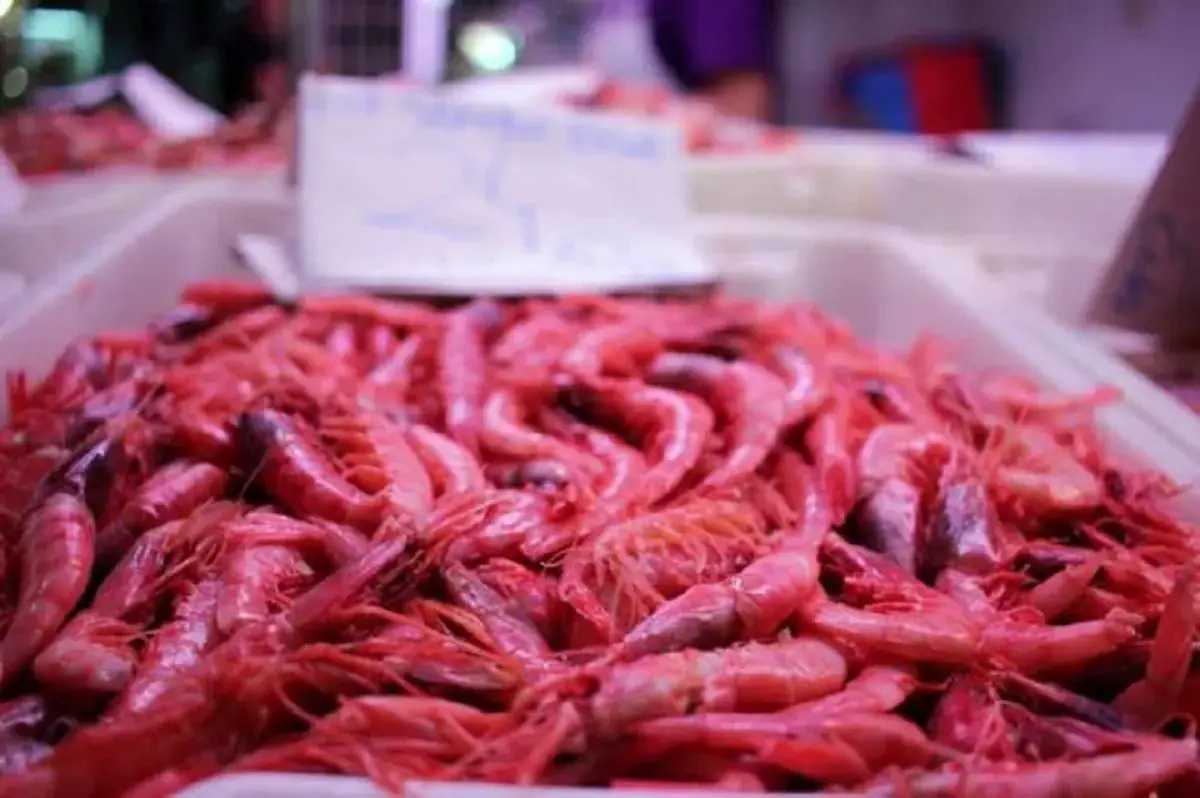
Tunisia has successfully negotiated an increase in its quota for deep-sea red shrimp in the Mediterranean waters. This development came about during the 49th session of the General Fisheries Commission for the Mediterranean (GFCM), held in Rome, Italy, from October 26 to 30. The agreement was reached after a series of technical meetings and negotiations with the European Union, involving representatives from various sectors and ministries of both parties.
The GFCM, which operates under the Food and Agriculture Organization (FAO) of the United Nations, is responsible for periodically reviewing the quotas of its member states every three years. This process aims to balance the economic viability of the fishing sector with the need to preserve the sustainability of marine resources and ecosystems in the Mediterranean. The commission's decisions are crucial for managing fish stocks and promoting sustainable fishing practices.
The increase in Tunisia's quota for deep-sea red shrimp is seen as a positive outcome for the country's fishing industry. Deep-sea red shrimp is a valuable resource, and the quota increase is expected to benefit Tunisian fishermen and the broader seafood industry. The negotiations also highlight the ongoing cooperation between Tunisia and the European Union on fisheries management and conservation.
The GFCM's role in managing Mediterranean fisheries is critical, given the region's rich marine biodiversity and the importance of fishing to local economies. By adjusting quotas based on scientific assessments and sustainability considerations, the commission aims to ensure the long-term health of fish stocks. Tunisia's participation in these efforts underscores its commitment to sustainable fishing practices.
The agreement on the quota increase was announced by the Tunisian Embassy in Rome, following the conclusion of the 49th GFCM session. This development is expected to have a positive impact on Tunisia's fishing sector, contributing to the country's food security and economic growth. The specifics of the quota increase, including the exact volume of the new allocation, were not disclosed in the initial reports.
Tunisia's fishing industry is a significant sector of the country's economy, providing employment and contributing to food security. The increase in the deep-sea red shrimp quota is likely to boost the sector's performance and provide additional income for fishermen and related businesses. The Tunisian government's efforts to negotiate favorable terms with international partners are part of a broader strategy to support economic development.
The outcome of the GFCM session reflects the ongoing collaboration between Tunisia and international partners on environmental and economic issues. By securing an increased quota for deep-sea red shrimp, Tunisia has demonstrated its ability to negotiate effectively on behalf of its fishing industry. This achievement is expected to have lasting benefits for the country's economy and its marine resources.
Key points
- Tunisia's quota for deep-sea red shrimp in the Mediterranean has been increased following negotiations at the 49th GFCM session.