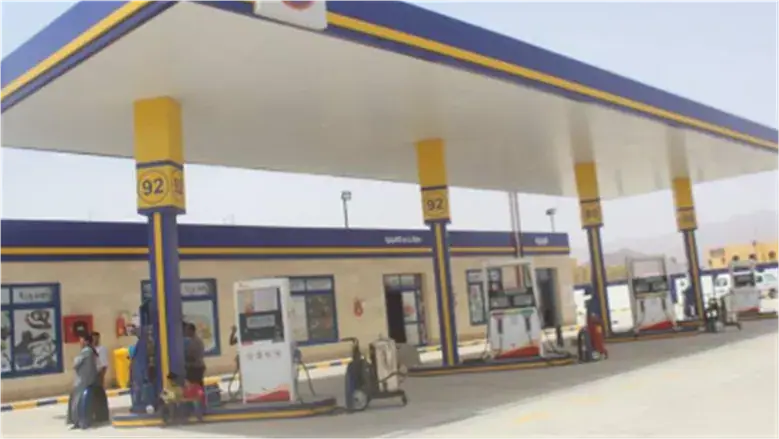
The Egyptian Ministry of Petroleum, through its spokesperson, Engineer Mahmoud Naji, announced the start of a trial run for a new digital system designed to govern the distribution of petroleum products. This initiative seeks to enhance oversight of fuel distribution stages and track quantities dispensed from stations to citizens. The system is set to begin operations in Port Said, where 31 fuel stations are equipped with electronic tag readers.
The new digital system is expected to provide accurate data on fuel distribution, helping to identify and curb illegal practices and ensure that products are delivered to their rightful recipients and designated locations. According to Naji, the implementation of this system does not impose any additional burdens or restrictions on citizens, nor is it linked to pricing or rationing of petroleum products. Citizens will continue to receive fuel in a normal and smooth manner.
The digitalization effort is part of Egypt's broader strategy to enhance governance and transparency in the fuel distribution network. By leveraging technology, the Ministry of Petroleum aims to monitor and manage the supply chain more effectively, reducing the risk of fuel diversion and other malpractices. The system will enable authorities to detect unusual patterns of fuel dispensing and scrutinize station operations to ensure compliance with regulations.
The trial run in Port Said is a critical step toward the nationwide rollout of the digital system. The Ministry of Petroleum has chosen Port Said for its relatively contained network of fuel stations, allowing for a controlled environment to test and refine the system before its expansion to other regions. This phased approach is expected to facilitate a smoother transition and minimize disruptions to fuel supplies.
Engineer Naji emphasized that any irregularities detected through the new system will be subject to punitive actions in accordance with existing laws and regulations. The primary goal of the digital system is to enhance oversight and governance of the fuel distribution process, ensuring that products are delivered efficiently and to those who need them most.
The introduction of the digital system aligns with Egypt's efforts to modernize its infrastructure and public services through digital transformation. By integrating technology into critical sectors such as fuel distribution, the government aims to improve efficiency, reduce corruption, and enhance the overall quality of services provided to citizens.
As the trial run progresses, the Ministry of Petroleum is expected to evaluate the system's performance and make necessary adjustments before its wider implementation. The successful deployment of this digital system could serve as a model for other sectors, contributing to a more transparent and efficient public service delivery in Egypt.
Key points
- The new digital system for fuel distribution governance is set to begin trial operations in Port Said.
- The system aims to prevent irregularities and ensure fuel products reach their intended destinations.
- The digitalization effort is part of Egypt's strategy to enhance governance and transparency in the fuel distribution network.