Egypt's Minister of Local Development and Environment, Dr. Manal Awad, highlighted the importance of expanding bioenergy projects as a practical and sustainable solution to maximize the benefits of waste. These projects provide integrated environmental, economic, and social returns by reducing the environmental impacts of unsafe waste disposal and utilizing it to produce energy and organic fertilizer. This approach helps lower energy costs, support agricultural activities, create job opportunities, and improve living standards in local communities, especially in rural areas.
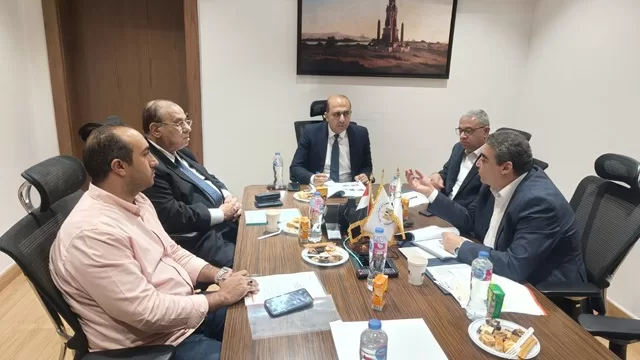
The first meeting of the Executive Committee of the Bioenergy for Sustainable Development Foundation for the 2026/2027 fiscal year was held to follow up on the foundation's plans and programs. The meeting reviewed the most prominent achievements during the past period and discussed mechanisms for developing work in the coming phase in line with the state's directions to support clean energy projects and maximize the benefits of waste. The committee aims to increase the number of bio-gas units and develop follow-up and evaluation mechanisms.
Yasser Abdullah, Head of the Waste Management Regulatory Device, explained that bio-gas projects represent an important model for applying the concept of a circular economy by converting waste into valuable resources. He emphasized that expanding these projects reduces reliance on traditional energy sources and supports the state's efforts to combat climate change and achieve sustainable development goals. Abdullah stressed the importance of continued field follow-up of bio-gas units and expanding awareness programs.
The meeting discussed plans to continue work during the coming period, enhance cooperation and coordination, and support bioenergy projects. The goal is to develop a future vision that targets increasing the number of bio-gas production units, improving monitoring and evaluation mechanisms, and expanding partnerships with relevant parties, the private sector, and local communities. This approach aims to support the state's directions towards a circular economy and sustainable development.
Yasser Abdullah stated that the coming phase will witness intensified efforts to disseminate the use of bioenergy and provide technical and awareness support to beneficiaries. This approach ensures the sustainability of projects and achieves the greatest possible benefit from them. The government is working to raise the efficiency of existing units and encourage the establishment of new units in areas most in need.
The expansion of bio-gas projects is expected to reduce the environmental impacts of waste disposal and provide new energy sources. These projects also offer economic benefits by creating job opportunities and improving living standards in rural areas. The government's focus on clean energy and circular economy projects reflects its commitment to sustainable development and environmental protection.
The Egyptian government's emphasis on bioenergy projects aligns with its broader goals of achieving sustainable development and reducing the country's reliance on traditional energy sources. By converting waste into energy and organic fertilizer, Egypt aims to create a more sustainable and environmentally friendly economy. The success of these projects will depend on continued government support and private sector involvement.
Key points
- Egypt's government is promoting clean energy and circular economy projects to support rural communities and achieve sustainable development goals.
- Bio-gas projects are being expanded to convert waste into energy and organic fertilizer, reducing environmental impacts and providing economic benefits.
- The government aims to increase the number of bio-gas units and develop follow-up and evaluation mechanisms to ensure project sustainability.