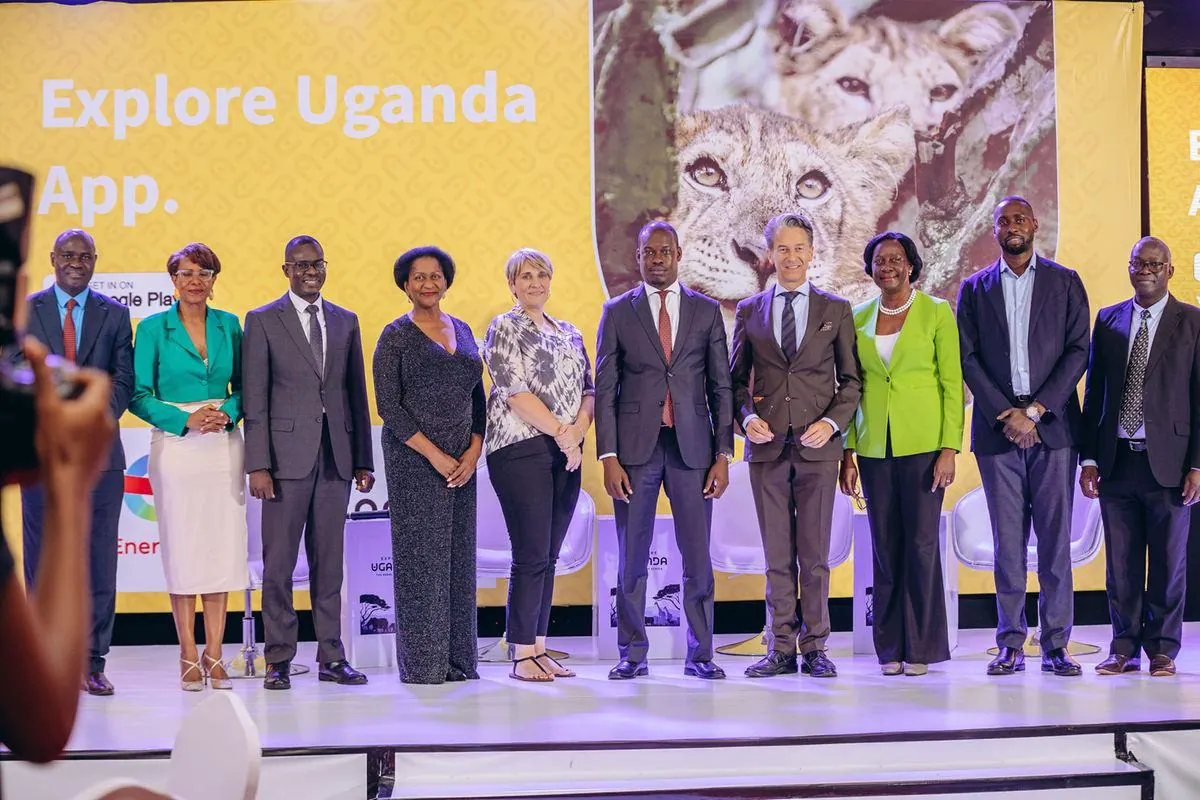
Uganda marked World Tourism Day 2026 on September 28 in Mbale under the theme "Digital Agenda and Artificial Intelligence to Redesign Tourism." The theme reflects the country's growing interest in using emerging technologies to modernize the sector and make its attractions more accessible to domestic and international travelers. President Yoweri Museveni presided over the national celebrations and urged Ugandans to embrace tourism and other productive sectors as avenues for increasing household incomes.
The tourism sector has the potential to benefit communities, particularly households with limited land for commercial agriculture. For Uganda, the opportunity extends well beyond attracting visitors, as tourism connects accommodation providers, restaurants, transport operators, tour guides, farmers, artisans, and cultural enterprises, creating a broad economic chain that can carry income into communities. Tourism Minister Tom Butime stated that artificial intelligence and other smart technologies could transform how Uganda markets and showcases its destinations while making information about attractions more readily available to potential visitors.
Potential applications of AI in Uganda's tourism sector include digital booking platforms, smart park gates, and AI-supported safari planning. Such tools could make it easier for visitors to discover attractions, plan journeys, and access information while improving efficiency for tourism operators. The strategy also creates opportunities to promote destinations beyond Uganda's most established tourism locations. During the World Tourism Day celebrations, the government highlighted the Elgon Sub-region, including its landscapes, cultural heritage, cuisine, and hospitality.
This wider distribution of tourism could be particularly valuable for communities seeking new sources of income. Rather than concentrating visitors around a limited number of established attractions, digital platforms can help lesser-known destinations reach audiences across Africa and the world. The private sector also has an important role to play in Uganda's tourism development, with tourism authorities identifying investment, access to capital, infrastructure, and visitor accessibility as areas requiring continued attention.
International partnerships could help provide expertise in hospitality, skills development, sustainable tourism, and digital technologies. The Netherlands' ambassador to Uganda, Angèle Samura, highlighted opportunities for cooperation in hospitality investment, human-capital development, sustainable practices, and the use of AI to improve tourism services. Uganda's approach reflects a wider opportunity for African tourism, with the continent possessing extraordinary natural landscapes, wildlife, cultural heritage, and increasingly sophisticated digital infrastructure.
Combining these assets with technology could create new ways to reach travelers while improving the experience once they arrive. Artificial intelligence will not replace the human experiences that make tourism attractive, but its greatest value may lie in helping visitors discover destinations, enabling businesses to operate more efficiently, and giving communities greater visibility in global tourism markets. Uganda's World Tourism Day strategy offers a broader lesson: Africa's tourism future can be built not only around what the continent has to offer, but also around how effectively technology can connect those opportunities with the world.
The winners of the 2025 African Business Leadership Awards, including Mr. Khulekani Mathe, Dr. Kelly Oluoch, and Mr. Mohamed Abdellahi Ould Yaha, were also announced recently. These awards recognize excellence in various sectors, including economic policy, private sector advocacy, health, institutional development, entrepreneurship, and industrial development. As Uganda continues to leverage technology to drive its tourism sector, it is likely that the country will become an attractive destination for investors and tourists alike.
Key points
- Uganda is using AI and digital innovation to modernize its tourism sector and attract more visitors.
- The country's tourism strategy includes digital booking platforms, smart park gates, and AI-supported safari planning.
- International partnerships could help provide expertise in hospitality, skills development, sustainable tourism, and digital technologies.