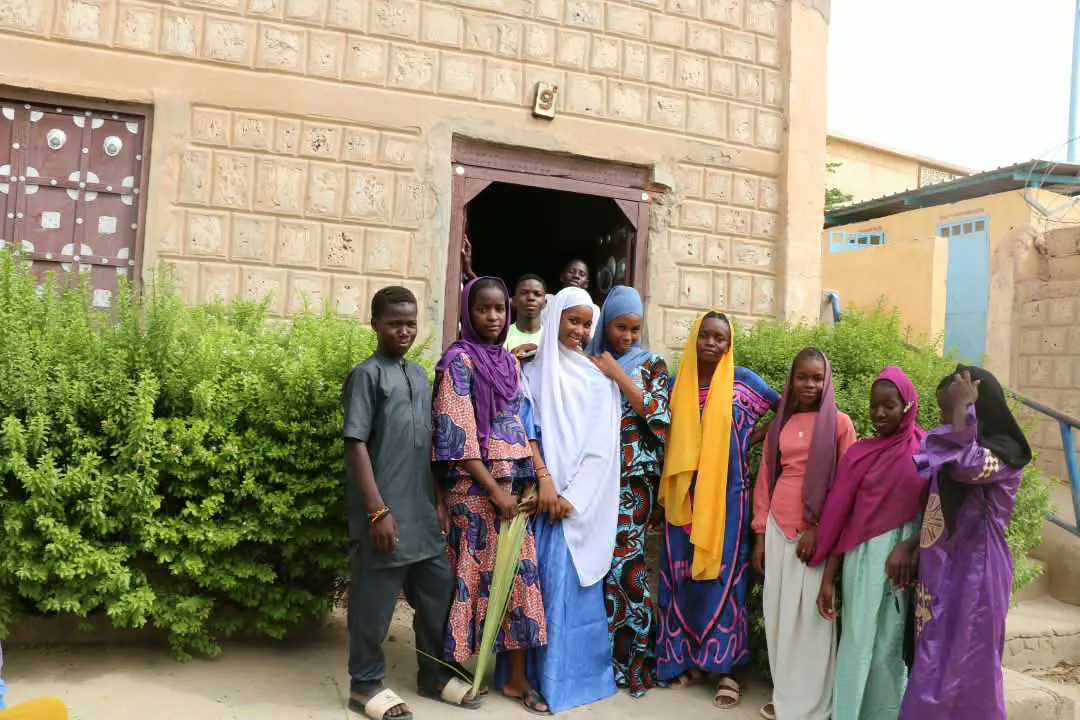
The academic year 2026-2027 has officially commenced in Timbuktu, Mauritania. On October 2, the region's governor, Bakoun Kanté, visited Mahamane Fondogoumo school to inspect the start of classes. The governor observed a model lesson on food hygiene, a pertinent topic given concerns over the cleanliness of food served to students by vendors. This initiative aims to promote healthy practices among pupils.
During his visit, Governor Kanté addressed the students, offering guidance and encouragement for the new academic year. He urged teachers and staff to work diligently to achieve success and secure good results. The governor also called on school partners to increase their involvement in providing a conducive learning environment. Furthermore, he emphasized the importance of school management committees playing their roles to restore the school to its former standards.
Timbuktu's educational landscape faces challenges, with 815 schools in the region, of which 547 are operational, while 268 remain non-functional due to insecurity and a shortage of teachers. The director of the Timbuktu education academy, Seyo Oyass, highlighted the need for 1227 teachers, including 952 generalists and 275 specialists. The academy requires additional staff to address the shortage and ensure quality education.
The Timbuktu education academy has previously demonstrated academic excellence, producing the top student in the 2026 baccalaureate exam and the best graduate from teacher training institutes. These achievements underscore the potential for academic success in the region, provided that the necessary resources and support are available.
To prepare for the new academic year, stakeholders held a meeting to discuss strategies and arrangements. The meeting likely addressed concerns related to teacher shortages, infrastructure, and security, aiming to create a stable and effective learning environment for students.
Governor Kanté's visit and the meeting among stakeholders demonstrate efforts to address the challenges facing education in Timbuktu. The authorities are working to provide a suitable learning environment, despite the obstacles posed by insecurity and teacher shortages. The involvement of partners and the community is crucial in overcoming these hurdles.
As the academic year progresses, the focus will be on monitoring progress, addressing ongoing challenges, and implementing strategies to improve educational outcomes. The commitment of educators, stakeholders, and authorities will be essential in achieving these goals and ensuring a successful academic year in Timbuktu.
Key points
- The Timbuktu region has 815 schools, with 268 non-functional due to insecurity and teacher shortages.
- The region requires 1227 teachers, including 952 generalists and 275 specialists.
- The Timbuktu education academy produced the top student in the 2026 baccalaureate exam and the best graduate from teacher training institutes.