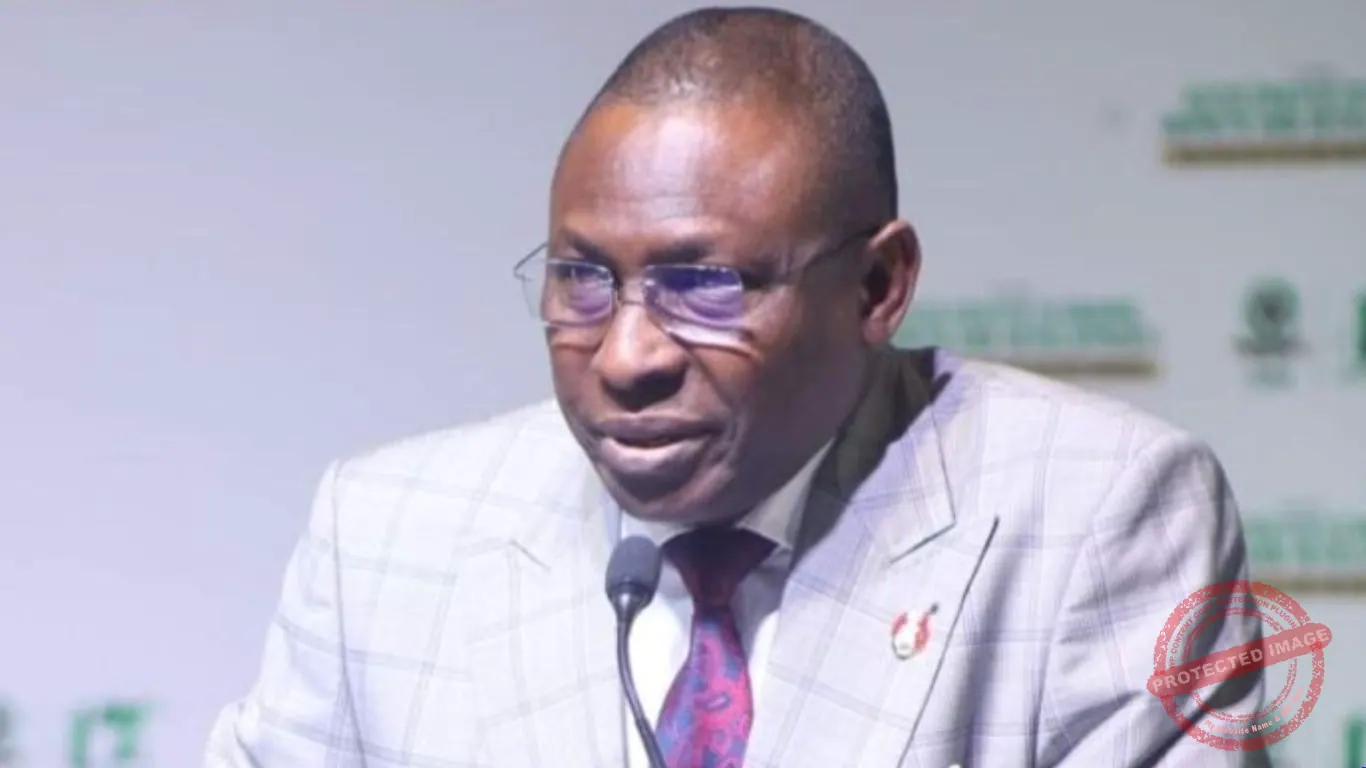
The Chairman of the Economic and Financial Crimes Commission (EFCC), Ola Olukoyede, has made a shocking revelation that nearly 75% of funds released by the Federal Government for Christian and Muslim pilgrimages were stolen by leaders of the agencies responsible for the programmes. This disclosure was made on September 23, 2026, in Abuja during the second 2026 Council Meeting of the Nigeria Inter-Religious Council (NIREC) and the public presentation of the EFCC’s Anti-Corruption Interfaith Manual for religious bodies.
According to Olukoyede, the alleged diversion was uncovered during previous investigations by the EFCC into the Christian Pilgrims Board and the Muslim Pilgrims Board. The findings were described as “mind-boggling,” with officials entrusted with managing public funds for the pilgrimage programmes diverting a substantial portion of the money. Some officials went further by registering private companies in foreign countries where Nigerian pilgrims travelled, creating serious conflicts of interest.
Olukoyede used the revelations to urge religious leaders and institutions to prioritise integrity, warning against mixing funds belonging to churches, mosques and other faith-based organisations with the personal resources or businesses of their leaders. He stressed that offerings, zakat and other institutional funds must remain in the organisations’ accounts and not be diverted. The EFCC chairman emphasised that financial crime has no religion or tribe, and that the consequences of stolen public funds affect all Nigerians regardless of faith.
The EFCC’s case files are filled with suspects identified by religious titles such as pastor, imam, bishop and others, with some already convicted and serving prison terms. Olukoyede questioned the continued use of such titles for individuals facing or convicted of financial crimes and warned that religious status would offer no protection. He declared that if an individual commits a financial crime, he would be treated as a criminal regardless of their religious status.
The EFCC has launched an interfaith anti-corruption manual designed to help Christian and Muslim leaders address issues of corruption, fraud, integrity and responsible citizenship in their teachings. The manual aims to promote a culture of transparency and accountability within religious institutions. Other speakers at the NIREC meeting, including the Sultan of Sokoto, Muhammad Sa’ad Abubakar, and the President of the Christian Association of Nigeria, Rev. Daniel Okoh, also called for stronger religious leadership in the fight against corruption.
The Sultan specifically cautioned against using stolen money to sponsor pilgrimages to Mecca or Jerusalem, stating that such deeds are unacceptable to God. The call for stronger leadership in the fight against corruption comes as the EFCC continues to investigate and prosecute cases of financial crimes involving religious leaders. The agency has thrown out 27 officers for alleged corruption and is currently investigating several high-profile cases.
The EFCC’s efforts to combat corruption in the pilgrimage programmes and within religious institutions have been commended by various stakeholders. The agency’s chairman, Olukoyede, has reiterated his commitment to ensuring that those who commit financial crimes are brought to justice, regardless of their religious status or position. The EFCC’s anti-corruption manual is expected to play a significant role in promoting transparency and accountability within religious institutions.
Key points
- Nearly 75% of funds for Christian and Muslim pilgrimages were diverted by agency leaders.
- EFCC Chairman Ola Olukoyede urges religious leaders to prioritise integrity and transparency.
- The EFCC has launched an interfaith anti-corruption manual to promote a culture of accountability within religious institutions.