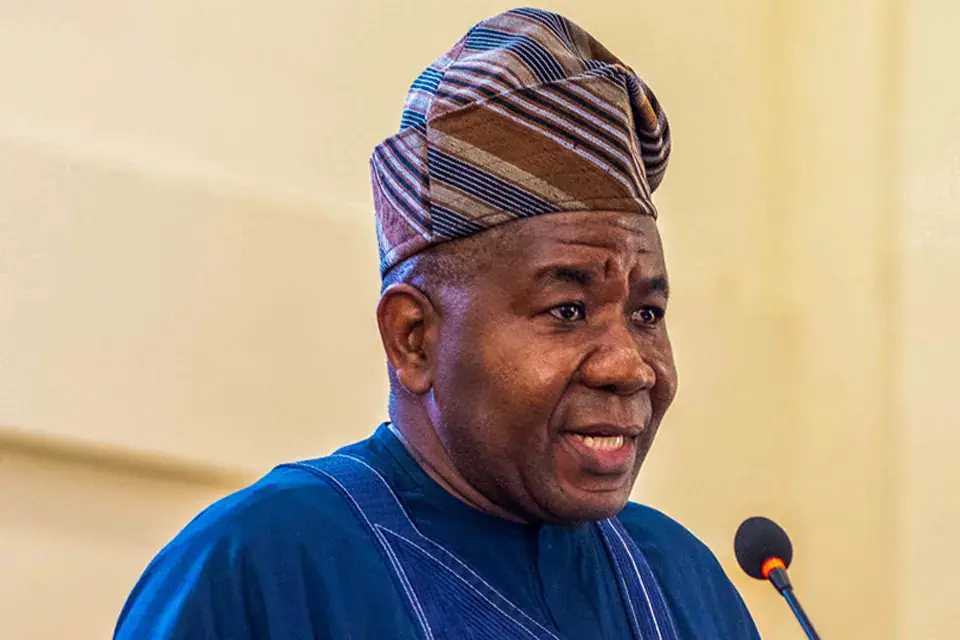
On Thursday, October 29, 2026, Edmund Moukala, the Country Director of UNESCO in Ghana, addressed Ghanaian chief executive officers at the Ghana CEO Vision High-Level Dialogue held at the Kempinski Hotel in Accra. The event's theme, "Reimagining Ghana's Future: CEOs at the Heart of the Reset Agenda," set the tone for discussions on the role of business leaders in shaping the country's future. Moukala emphasized the need for a broader definition of business success.
Moukala stressed that Ghana's reset agenda must prioritize correcting systemic inequalities and ensuring that vulnerable populations benefit from economic progress. He highlighted the importance of addressing social inequalities and investing in communities that need development. According to him, this approach would contribute to sustainable development and business productivity. The UNESCO Country Director's remarks resonated with the audience, comprising prominent business leaders.
The UNESCO Country Director emphasized that access to essential services like healthcare, education, clean water, and affordable energy is crucial for human development and business productivity. He argued that these basic human rights must be guaranteed and met to achieve development. Moukala's statements reflected the United Nations' stance on human rights and their significance in driving progress.
Moukala urged business leaders to recognize that supporting social development is an investment in their workforce and markets. He encouraged companies to invest in underserved rural communities, creating opportunities outside major cities and reducing development inequalities. This approach, he noted, would build a resilient market and workforce that would sustain industries in the long term.
The UNESCO Country Director suggested a shift in how business leaders are recognized, proposing that awards should reflect their impact on communities rather than quarterly profits alone. He cited the example of recognizing CEOs based on the percentage of their supply chain that has moved from vulnerable to resilient. This approach would incentivize business leaders to prioritize social impact.
Drawing on China's development experience, Moukala noted that private sector investment, supported by government policies and incentives, could drive significant economic transformation. He challenged business leaders to move beyond discussions and take practical action through innovation and strategic partnerships. According to him, collective action would be crucial in creating the desired future.
Moukala concluded by emphasizing that the world we hope for will not be created by conversation alone but by the action we take together. He encouraged business leaders to take concrete steps towards prioritizing social impact and community development. By doing so, Ghanaian CEOs can contribute to a more equitable and sustainable future for the country.
Key points
- Edmund Moukala urges Ghanaian CEOs to prioritize social impact and community development alongside profits.
- He emphasizes the importance of addressing systemic inequalities and investing in underserved communities.
- Moukala suggests a shift in recognizing business leaders based on their impact on communities rather than quarterly profits.