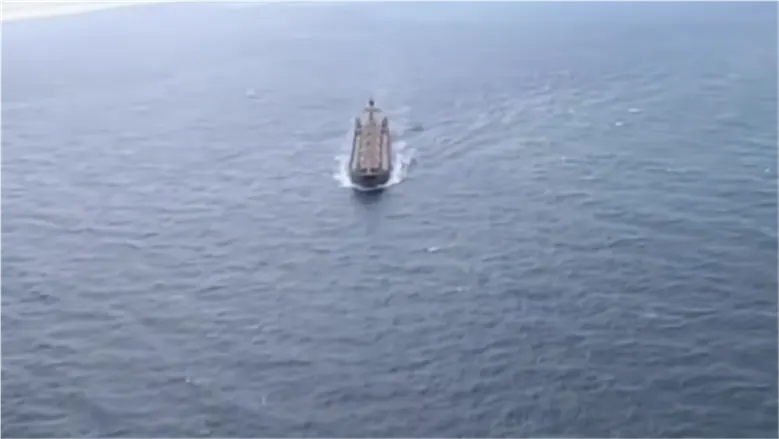
The ongoing crisis in the Strait of Hormuz has significant economic implications for the global economy. According to Dr. Mahmoud Anbar, a professor of economics, the economic repercussions of the war can be divided into direct and indirect effects. The immediate impacts include a surge in energy prices, which in turn affects sectors that rely heavily on energy as a primary input for production, such as civil aviation, agriculture, and food.
The increase in energy prices has a ripple effect, transferring from one sector to another, ultimately leading to a global inflationary wave. Dr. Anbar noted that the disruption of supply chains is an additional factor that widens the gap between supply and demand, driving up prices. The crisis in Hormuz has put pressure on trade and investments, with the potential to affect the global economy.
The direct impacts of the crisis can improve with the return of stability, but the uncertainty and fluctuations in the market have taken a toll on investor confidence. Dr. Anbar explained that previous statements about the resumption of navigation in the Strait of Hormuz led to a temporary stabilization of energy prices. However, the repeated statements and subsequent retractions have affected market confidence.
The more concerning aspect is the indirect impact, particularly the state of uncertainty that has prevailed in the region, affecting foreign direct investment flows and international trade volumes. Dr. Anbar warned of the consequences of disrupting maritime corridors on global trade, highlighting the need for a collective international effort to mitigate the effects.
The current crisis has seen an increased use of economic tools, particularly reciprocal economic sanctions between rival regional powers. Dr. Anbar called for international cooperation to limit the use of food, energy, and agricultural commodities as tools in conflicts and settlements. He emphasized that using natural maritime corridors to exert pressure or impose fees could have far-reaching consequences for international trade.
The use of economic tools, such as sanctions and blockade, can have devastating effects on the global economy. Dr. Anbar stressed that it is essential to prevent the use of essential goods, such as food and energy, as leverage in conflicts. The international community must work together to establish a framework that protects global trade and commerce from the repercussions of regional conflicts.
The Strait of Hormuz crisis serves as a reminder of the interconnectedness of the global economy and the need for cooperation to address common challenges. The international community must remain vigilant and work together to mitigate the effects of the crisis and prevent similar situations from arising in the future.
Key points
- The crisis in the Strait of Hormuz has significant implications for global energy prices and supply chains.
- The use of economic tools, such as sanctions and blockade, can have far-reaching consequences for international trade.
- International cooperation is essential to limit the use of food, energy, and agricultural commodities as tools in conflicts and settlements.