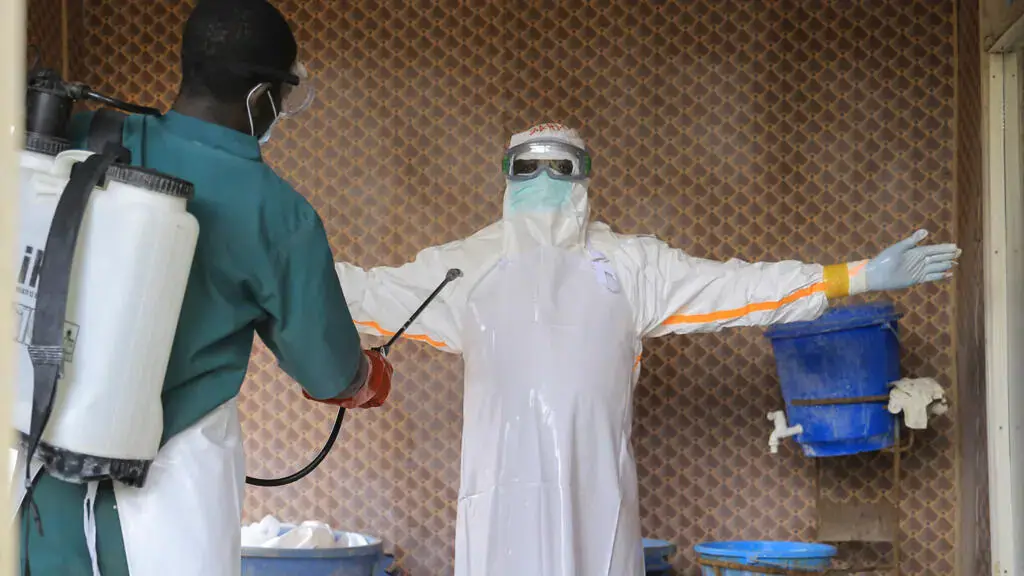
The Ebola virus epidemic in Africa has exceeded 10,000 cases, according to health authorities, with the majority of cases reported in the Democratic Republic of Congo. As of the latest reports, 10,060 people have been infected, and 4,887 have died since the virus was first detected in May. This outbreak is considered the deadliest in the country's history. The situation remains critical, with health officials working to contain the spread of the virus.
The current epidemic is caused by the rare Bundibugyo strain of Ebola, for which there is no approved vaccine or treatment available. This strain is responsible for the infections in the region. The lack of effective countermeasures against this particular strain poses significant challenges to health workers and officials trying to combat the outbreak. Efforts to control the epidemic are ongoing, with multiple organizations and governments involved in the response.
Cases of Ebola have been detected not only in the DR Congo but also in neighboring countries, including Kenya, Nigeria, and Uganda. The World Health Organization (WHO) has warned that Africa faces a complex task in containing the epidemic, which is affecting the east, west, and center of the continent. The situation is being closely monitored, and health authorities are working to prevent further spread of the virus.
In a positive development, Uganda was declared Ebola-free by the WHO at the end of August, after reporting a total of 20 cases and two deaths. However, Kenya, which had not reported any cases until October 6, has since reported two deaths due to the virus. The Kenyan government and health officials are working to contain the outbreak and prevent further spread.
In Nigeria, a Swiss national who contracted the virus while traveling in Uganda with her husband was evacuated to Switzerland on Monday. The patient was confirmed to have the Bundibugyo strain of Ebola on October 20. Nigerian health authorities have identified 53 contacts of the patient, and efforts are underway to monitor and prevent potential further spread of the virus in the country.
There are concerns that the virus may have spread after the Swiss couple returned to Nigeria on October 3. The patient developed symptoms on October 7 and sought medical care in Abuja on October 11. The delay in diagnosis and treatment has raised concerns about the potential for further transmission. Health officials are working to contain any potential spread and prevent a larger outbreak.
The WHO and other health organizations continue to work with governments and health authorities across Africa to combat the Ebola epidemic. The situation remains critical, but efforts to contain the outbreak and prevent further spread are ongoing. Key efforts include contact tracing, vaccination development, and provision of medical care to those affected.
Key points
- The Ebola epidemic in Africa has surpassed 10,000 cases, primarily in the Democratic Republic of Congo.
- There is no approved vaccine available for the rare Bundibugyo strain of Ebola responsible for the current infections.
- Cases of Ebola have been detected in multiple countries, including Kenya, Nigeria, and Uganda, in addition to the DR Congo.