Eight East African countries, namely Kenya, Uganda, Tanzania, Burundi, Rwanda, the Democratic Republic of Congo, Somalia, and South Sudan, have formed a united front on climate financing. As members of the East African Community (EAC), they are pushing for more predictable, accessible, and grant-based climate finance. This common stance will be presented at the United Nations Climate Change Conference (COP31) in Antalya, Türkiye, in November 2026. The EAC, based in Arusha, aims to strengthen regional cooperation on climate change.
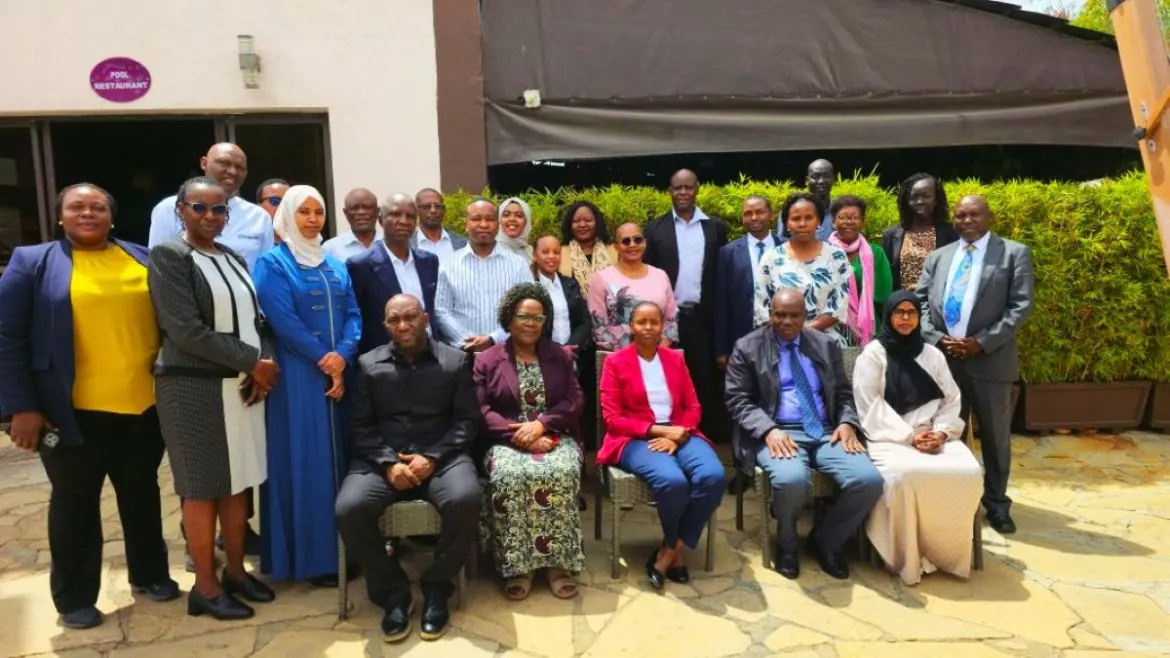
The EAC's common position calls on developed countries to fulfill their public climate finance obligations. They also urge these countries to triple adaptation finance by 2035 and improve direct access to climate finance. The goal is to provide greater support for adaptation and loss and damage without increasing the debt burden of vulnerable countries. This position was validated at a Regional Validation Meeting held in Machakos, Kenya, from September 29 to October 3, 2026. Delegates from EAC Partner States, the EAC Secretariat, and technical experts attended the meeting.
The validation meeting was supported by the German Government through GIZ. The EAC's Climate Change Strategy and Action Plan 2026–2036 was also validated during the meeting. This strategy is crucial for implementing the EAC Climate Change Policy and guiding the region towards low-carbon, climate-resilient development. According to Mr. William Tayebwa, Uganda's Assistant Commissioner for Production and Infrastructure, a unified voice is essential for effective international negotiations and mobilizing resources.
The region faces significant climate-related challenges. The World Meteorological Organization's State of the Climate in Africa 2023 report states that African countries lose between 2 and 5 percent of their GDP annually to climate extremes. Some countries divert up to 9 percent of their national budgets to disaster response, compromising long-term development. The EAC's common position seeks to address these issues by strengthening the region's ability to access climate finance.
The EAC is calling for the full capitalization of the Fund for Responding to Loss and Damage. They also want direct access to its resources by national institutions and support for both economic and non-economic losses. Furthermore, the EAC is pushing for full funding of the Santiago Network, which provides technical assistance to countries vulnerable to loss and damage. Stronger cooperation on disaster risk reduction and early warning systems is also a priority.
The EAC's common position also focuses on equitable participation in carbon markets under Article 6 of the Paris Agreement. They advocate for harmonized regional standards for measuring, reporting, and verifying emission reductions. The region also prioritizes ecosystem restoration, including peatlands and rangelands, and the use of new technologies to strengthen early warning systems. Greater participation of women and young people in climate action is also emphasized.
The validated COP31 Common Key Messages will be shared with the African Group of Negotiators and the Partner States' UNFCCC focal persons. The EAC Secretariat will coordinate regional side events and bilateral engagements during COP31. The German Government, through GIZ, has pledged to continue working with the EAC to strengthen capacities to address climate change impacts. The EAC's efforts aim to translate commitments into concrete actions and measurable results on the ground.
Key points
- East African countries are pushing for more predictable, accessible, and grant-based climate finance ahead of COP31.
- The EAC's common position calls for the full capitalization of the Fund for Responding to Loss and Damage and stronger cooperation on disaster risk reduction.
- The region faces significant climate-related challenges, with African countries losing between 2 and 5 percent of their GDP annually to climate extremes.