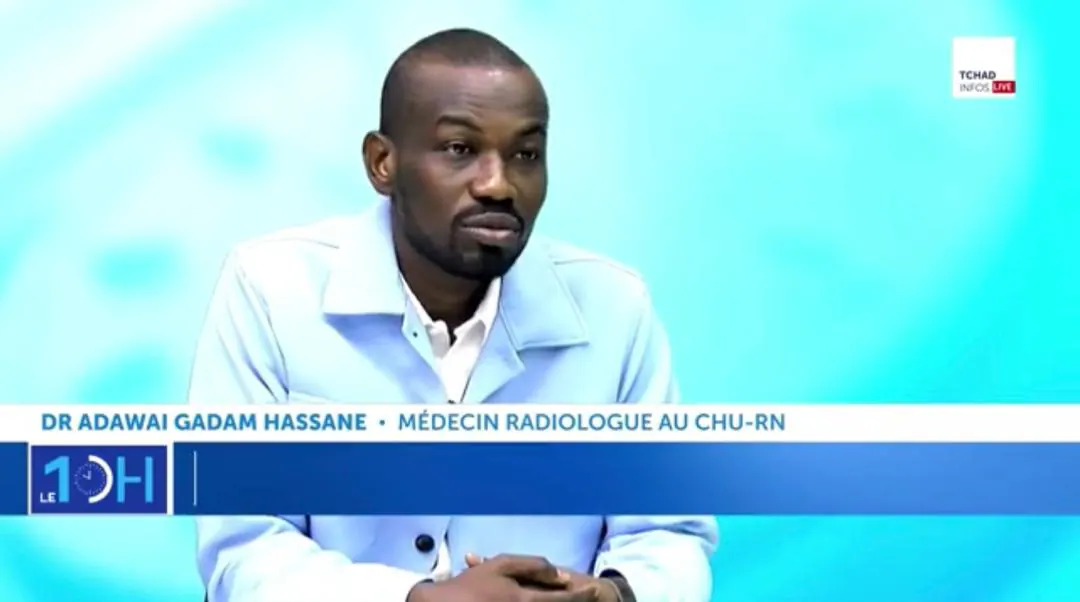
Breast cancer remains a significant challenge in Chad, with late diagnosis, high treatment costs, and reliance on traditional medicine hindering efforts to combat the disease. Dr. Adawaye Gadam Hassane, a radiologist at the National Reference Hospital, stresses that early detection is crucial in improving survival rates. He notes that cancer is a result of genetic mutations, which can affect any organ at any age, and that a healthy diet alone cannot prevent it.
The radiologist explains that breast cancer often develops silently, without pain, and that symptoms such as a lump in the breast, nipple discharge, asymmetry, or a mass in the armpit should prompt immediate medical attention. In Chad, a combination of ultrasound and mammography is used to detect and characterize lesions, while a guided biopsy can confirm diagnosis. The country also has access to CT scans and MRI machines, which aid in staging and monitoring the disease.
Dr. Adawaye Gadam Hassane highlights the importance of early detection, stating that a breast cancer diagnosis made at an early stage offers a 90% chance of complete recovery. However, at an advanced stage, treatment becomes complex and costly. He emphasizes that changing this reality requires a shift from awareness-raising to concrete screening efforts, including regular self-examination and consultation at the slightest unusual sign, regardless of age.
The doctor recommends that women over 45 years old undergo screening every two years, or earlier if there is a family history of the disease. He also advocates for the deployment of mobile mammography units to reach remote areas, as well as strengthening the training of specialists and technicians. According to Dr. Adawaye Gadam Hassane, a multidisciplinary approach and early detection are key to effective disease management.
The National Cancer Control Program is already working in this direction, but Dr. Adawaye Gadam Hassane believes that more needs to be done to address the issue. He cites a case of a 20-year-old patient diagnosed with breast cancer last year, highlighting the need for increased awareness and screening efforts. The doctor's comments come as the World Health Organization and the International Agency for Research on Cancer warn that global cancer cases could reach 35 million by 2050.
Dr. Adawaye Gadam Hassane's call for action is echoed by the recent recognition of Dr. Zita Nodjikouambaye, who was awarded for her efforts in combating cervical cancer in Chad. The fight against cancer in the country requires a comprehensive approach, including education, screening, and treatment. By working together, stakeholders can improve survival rates and reduce the burden of the disease.
Ultimately, Dr. Adawaye Gadam Hassane emphasizes that early detection is the most effective tool in the fight against breast cancer. By adopting a proactive approach to screening and diagnosis, Chadians can improve their chances of survival and reduce the impact of this disease on their lives. The radiologist's message is clear: invest in early detection, and the rewards will be significant.
Key points
- Early detection of breast cancer offers a 90% chance of complete recovery.
- Chad lacks sufficient screening and treatment infrastructure, particularly in remote areas.
- A multidisciplinary approach, including education, screening, and treatment, is necessary to combat breast cancer in Chad.