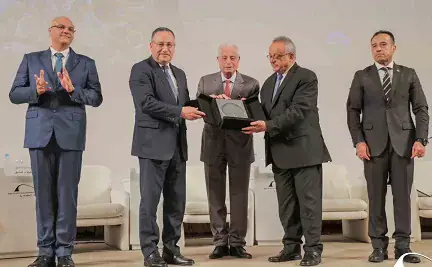
The Ethics and Anti-Corruption Commission (EACC) has urged Kenyans to exercise integrity when casting their votes in the upcoming 2027 General Election. EACC Chief Executive Officer Abdi Ahmed Mohamud warned against electing leaders based on ethnic affiliations, clan considerations, or financial handouts. Speaking in Kajiado County on September 23, 2026, Mohamud emphasized the importance of evaluating candidates solely on their capacity to manage public resources and execute development mandates.
Mohamud stressed that accepting money from campaign aspirants compromises voters' ability to demand accountability for poor service delivery or unfulfilled promises once leaders take office. He encouraged citizens to take their responsibility of choosing leaders with integrity seriously. Mohamud's remarks were made during an EACC Mashinani community engagement forum, which aimed to promote integrity and accountability in public service.
EACC Chairperson Bishop David Oginde reinforced Mohamud's message, calling on citizens to reject corrupt public officers regardless of familial or communal ties. Oginde characterized individuals who loot public funds as direct adversaries of community welfare and challenged public servants to treat executive appointments as public trusts rather than vehicles for self-enrichment.
The anti-corruption drive in Kajiado comes against the backdrop of findings from the Kenya National Gender and Corruption Survey. The survey revealed a sharp 38 percent increase in the national average bribe amount, rising from Ksh 4,878 in 2024 to Ksh 6,724 in 2025. This increase highlights systemic integrity challenges across public sector institutions.
According to the survey, citizens paid an average bribe of Ksh 13,038 to elected county representatives, Ksh 1,445 to legislators, and Ksh 20,126 to civil servants. These findings underscore the need for citizens to demand integrity and accountability from their leaders.
The EACC's efforts to promote integrity and accountability in public service are crucial in ensuring that citizens' needs are met. By choosing leaders with integrity, Kenyans can hold them accountable for their actions and promote good governance.
The 2027 General Election presents an opportunity for Kenyans to elect leaders who prioritize the needs of their constituents. The EACC's warnings against ethnicity and bribes serve as a reminder of the importance of integrity in leadership.
Key points
- EACC urges Kenyans to evaluate candidates based on their capacity to manage public resources and execute development mandates.
- The national average bribe amount in Kenya increased by 38 percent from 2024 to 2025.
- Citizens paid an average bribe of Ksh 13,038 to elected county representatives in 2025.