In a world where nations often face critical junctures, Egypt finds itself at a pivotal moment in its history. The concept of crossing the Rubicon, a term coined from Julius Caesar's fateful decision in ancient Rome, has become synonymous with making irreversible choices. Today, Egypt stands at a similar crossroads, with its water security being a pressing concern that demands decisive action. The country's leadership has made it clear that it will not compromise on its rights to the Nile River's waters.
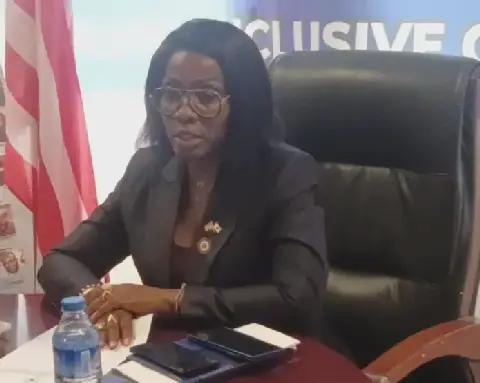
Egypt's Water Resources and Irrigation Minister, Hani Suwelam, recently stated that the Grand Ethiopian Renaissance Dam (GERD) is "illegal and will remain illegal." This assertion reflects Egypt's firm stance on protecting its water interests and those of its people. The minister's comments were not intended to escalate tensions or garner attention but rather to underscore a fundamental principle: that Egypt will not relinquish its rights to the Nile's waters, which are essential for the country's very survival.
The GERD has been a contentious issue, with Egypt and Sudan expressing concerns about the dam's impact on their water security. The construction and filling of the dam were undertaken without a binding agreement that regulates the filling and operation of the dam, leaving downstream countries vulnerable to potential harm. Egypt has consistently maintained that it does not oppose Ethiopia's right to develop its hydroelectric power resources but insists that this development must not come at the expense of its own water security.
The importance of the Nile River to Egypt cannot be overstated. The river is the lifeblood of the country, supporting agriculture, industry, and drinking water for over 100 million people. Any threat to the Nile's waters is, therefore, a threat to Egypt's very existence. The country's leadership has made it clear that it will not stand idly by while its water security is compromised. Egypt's position is not one of confrontation but of determination to protect its rights and interests.
The Egyptian government has taken concrete steps to address its water security concerns. These include investing in water treatment plants, modernizing irrigation systems, and expanding desalination projects. The government has also embarked on ambitious projects to develop the country's water resources, including the construction of new dams and the rehabilitation of existing ones. These efforts are critical to ensuring that Egypt's water needs are met, both now and in the future.
The issue of water security is not solely the domain of the government; it is a national concern that requires the participation and engagement of all Egyptians. The country's leadership has called on citizens to be vigilant and to report any suspicious activity that could compromise the country's water security. This emphasis on national responsibility is a recognition that Egypt's water security is a collective responsibility, one that requires a united and concerted effort to protect.
As Egypt navigates this critical juncture, the country's leadership has made it clear that it will not compromise on its water security. The country's actions are guided by a deep understanding of the importance of the Nile River and a determination to protect its rights and interests. Egypt's water security is a matter of national survival, and the country will take all necessary measures to ensure that its water needs are met.
Key points
- Egypt will not compromise on its water security and will take all necessary measures to protect its rights and interests.