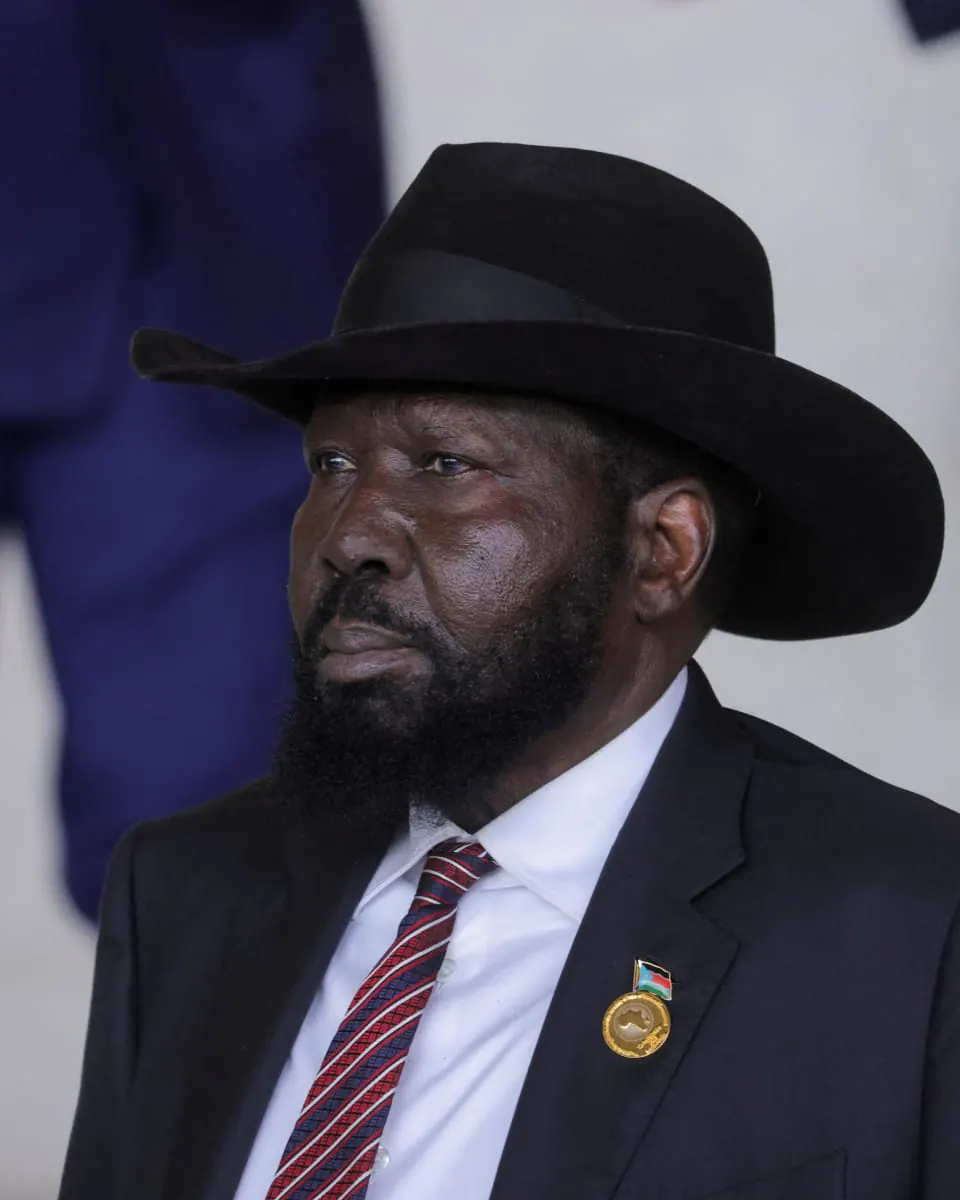
South Sudan's President Salva Kiir has issued a decree dissolving the Transitional National Unity Government, which was formed in 2018 as part of a peace agreement. This move paves the way for general elections scheduled for December 22, 2026. The decree also relieved the First Vice President, Riek Machar, and the four other vice presidents, ministers, and their deputies of their duties. Additionally, the transitional parliament, council of states, state governments, and local legislative councils have been dissolved.
In place of the transitional government, President Kiir has established a caretaker administration to oversee the country's ministries and institutions until the elections. This caretaker administration will ensure continuity of governance. The judiciary, civil service, security agencies, and independent institutions will continue to function as usual. Furthermore, interim administrations will be set up to manage the affairs of states and administrative areas.
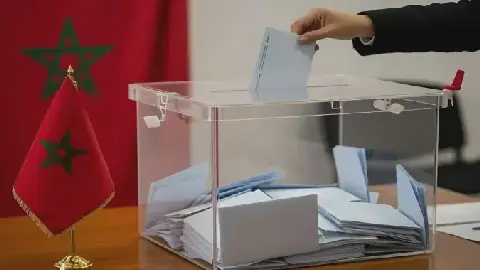
The decision to dissolve the transitional government comes after President Kiir signed amendments to the electoral law. These amendments removed the requirement for a permanent constitution and a national census before the elections can be held. This development clears the legal path for the December elections. Under the amendments, President Kiir will remain in office during the electoral period until the inauguration of the elected president.
The dissolution of the government coincides with a significant security deployment in the capital city, Juba. Several roads have been closed, and security forces have been put on high alert. This heightened security presence indicates that the country is entering a new phase following years of political transition that began with the 2018 peace agreement.
The transitional government was established in 2018 to guide South Sudan towards stability and democracy after a civil war that lasted from 2013 to 2018. The peace agreement aimed to bring an end to the conflict that resulted in thousands of deaths and displaced millions of people. Despite progress, the country still faces numerous challenges as it prepares for its first elections under the new peace deal.
The upcoming elections are seen as a critical step towards consolidating peace and stability in South Sudan. The international community has been closely monitoring the country's progress and has expressed support for the electoral process. However, concerns have been raised about the readiness of the country to hold free and fair elections given the current political and security situation.
As South Sudan prepares for the elections, the focus is on ensuring that the process is transparent, inclusive, and credible. The caretaker administration will play a crucial role in creating an enabling environment for the elections. The country's stakeholders, including political parties, civil society, and the international community, will be watching closely to ensure that the elections mark a positive turning point in South Sudan's history.
Key points
- President Salva Kiir has dissolved the Transitional National Unity Government in preparation for the 2026 elections.
- A caretaker administration has been established to oversee the country's ministries and institutions until the elections.
- The electoral law amendments have removed key prerequisites for holding elections, paving the way for the December 2026 polls.