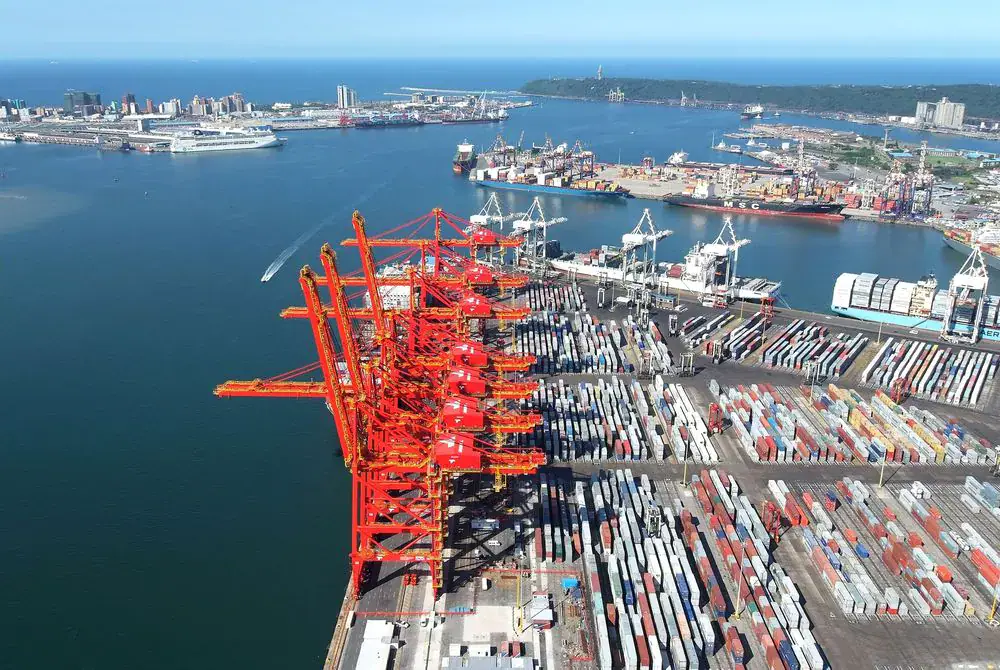
Vessel waiting times of 14 to 20 days at Durban Gateway Terminal are driving up costs for South African manufacturers and logistics operators. The terminal, the country's largest container facility, has been under pressure since a mid-August 2026 cutover to the Navis N4 operating system. Throughput initially fell by roughly 26-30%, while truck booking systems and yard operations also suffered.
Truck drivers are feeling the effects of the delays, with Anathi Dweba explaining that the delays affect their work schedules and route planning. Delays leave truck drivers sleeping in their trucks without sustenance and losing valuable work shifts. The Southern African Association of Freight Forwarders has said the backlog is adding around 20 days to affected supply chains.
Maritime consultant Dave Watts described the practical impact of the delays, with a vessel arriving today may wait 12 days before service, plus several more days at berth, followed by further delays exiting the terminal because of landside congestion. Peak periods for citrus and year-end retail and industrial cargo have intensified the strain.
Transport Minister Barbara Creecy acknowledged the problems, admitting that the timing of the Navis migration was "not good" and that the resulting backlog would take months to clear. New handling equipment is expected in December, with progressive improvement through February 2027. The long-term target remains a 24-hour wait.
Creecy has given ICTSI, the Philippines-based operator that holds a 49% stake in the Transnet joint venture at DGT, three months to improve performance or risk losing its licence. Transnet has announced emergency measures, including making Berth 102 at adjacent Pier 1 available for geared vessels, diverting selected ships to Ngqura near Gqeberha.
DGT CEO Javier Lancha said an operational recovery programme has restored some terminal fluidity, and priority would be established for essential cargo such as automotive parts and pharmaceuticals. KwaZulu-Natal MEC for Transport and Human Settlements Siboniso Duma noted the impact of truck congestion on major routes en route to the port.
The delays ripple beyond the port gates, with importers facing demurrage, storage charges and inventory build-ups, and exporters risking missing vessel cut-offs. Recovery is expected to be incremental rather than immediate, with the delays continuing to test both local supply chains and the private-sector partnership intended to modernise the terminal.
Key points
- The delays at Durban Gateway Terminal are driving up costs for South African manufacturers and logistics operators.
- The backlog is adding around 20 days to affected supply chains.
- New handling equipment is expected in December, with progressive improvement through February 2027.