The Gabonese government has confirmed that the country will not be represented on the International Telecommunication Union (ITU) Council for the 2027-2030 term. The ITU Council is a crucial body that oversees the implementation of the ITU's policies and strategies. Gabon finished 18th in the African poll with 77 votes, out of 19 countries vying for 13 available seats.
The ITU is a specialized agency of the United Nations that deals with information and communication technologies. The Council is responsible for making key decisions on the ITU's activities, including setting policies, approving budgets, and electing members to various ITU committees. Gabon's failure to secure a seat on the Council is a setback for the country's ambitions in the digital sector.
Despite the disappointing outcome, the Gabonese Ministry of Digital Economy has described the result as a valuable experience. According to the ministry, the campaign highlighted the country's commitment to repositioning itself on the international digital scene. The ministry also emphasized that the relationships established during the campaign will be useful in facilitating partnerships, sharing expertise, and mobilizing resources for the country's digital projects.
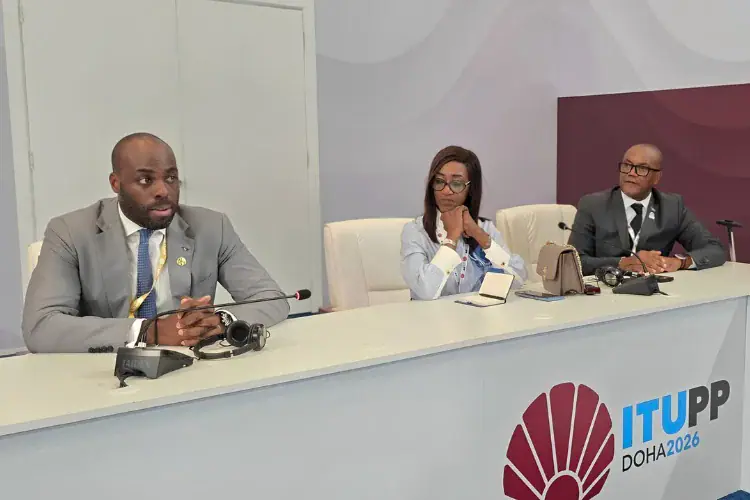
The Gabonese delegation, led by Minister Mark-Alexandre Doumba, participated in the ITU's World Telecommunication Development Conference in Doha. Although the country did not secure a seat on the Council, it remains a member of the ITU and will continue to participate in the organization's activities. The Ministry of Digital Economy has stated that the next steps will be to prepare for upcoming international events, such as the 2027 World Radiocommunication Conference.
The ITU has 193 member states and is headquartered in Geneva, Switzerland. The organization plays a critical role in promoting the development of information and communication technologies globally. Gabon's failure to secure a seat on the Council is a reminder of the competitive nature of international organizations and the challenges of securing representation on key bodies.
The Gabonese government has emphasized that the country's digital ambitions remain intact. The Ministry of Digital Economy has stated that it will continue to work towards consolidating the relationships established during the ITU campaign and strengthening the country's participation in international digital cooperation mechanisms.
The outcome of the ITU election has been seen as a valuable experience for Gabon, highlighting the need for continued diplomatic efforts to promote the country's interests on the international stage. The country's digital sector is expected to continue growing, driven by investments in infrastructure and services.
Key points
- Gabon finished 18th in the African poll with 77 votes, out of 19 countries vying for 13 available seats on the ITU Council.