South Africa has selected Durban as its preferred city to bid for the 2036 or 2040 Olympic Games, marking a significant step towards bringing the Olympics to Africa for the first time. The bid, backed by the national government, has sparked debate about the potential benefits and financial costs of hosting the event. SASCOC Acting President Lwandile Simelane confirmed that South Africa would pursue either the 2036 or 2040 Games, with Durban as its primary host city.
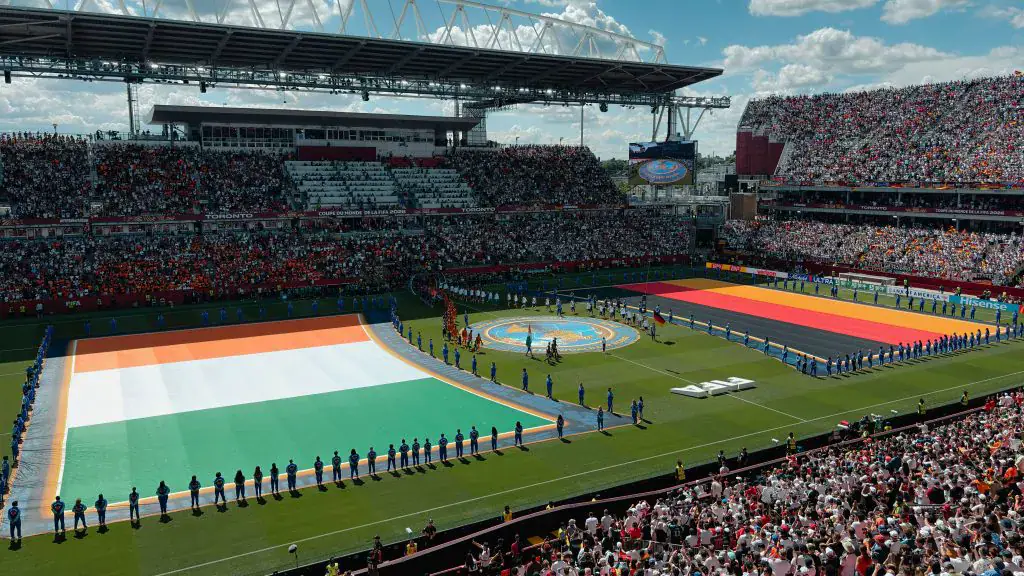
The proposal envisages a multi-city hosting model involving Durban, Cape Town and Johannesburg, drawing on infrastructure developed for previous international events, particularly the 2010 FIFA World Cup. Durban's Moses Mabhida Stadium is expected to serve as the Olympic Stadium. While using existing facilities could reduce construction costs, the model would require careful coordination of transport, event logistics and public investment across three major urban centres.
Economist Dawie Roodt has warned that hosting the Games could cost as much as R500 billion, largely funded by taxpayers, and advised against bidding for the Olympics. Political analyst Rene Oosthuizen has also questioned whether South Africa could justify spending billions on Olympic prestige when many citizens continue to struggle with access to basic services. The financial implications remain a central concern for the bid.
International experience reinforces these concerns, with a University of Oxford study finding that all 23 Olympic host cities examined exceeded their budgets. Rio de Janeiro and Tokyo recorded cost overruns of 352 per cent and 128 per cent, respectively. Thirteen cities experienced overruns exceeding 100 per cent of their original budgets. These figures illustrate a recurring challenge: Olympic costs can escalate substantially.
Durban's Olympic ambition is also shaped by its recent hosting history. The city was awarded the 2022 Commonwealth Games in 2015 but lost its hosting rights in 2017 after the Commonwealth Games Federation identified a "significant departure" from its bid commitments. Concerns included governance, venues, funding and risk management. South Africa's then-Sports Minister, Fikile Mbalula, acknowledged the financial limitations.
The country's experience hosting the 2010 FIFA World Cup offers both encouragement and caution. The tournament cost approximately $3.7 billion, significantly exceeding initial estimates as low as $295 million. While Roodt acknowledged that the event boosted national morale and long-term tourism, he also highlighted the challenge of maintaining facilities after major sporting events.
For Durban, the strongest legacy case would centre on infrastructure that addresses existing public needs. Reliable urban transport, improved public spaces, accessible sporting facilities and better-connected venues could deliver lasting value beyond the Games. Residents need transport systems that reduce commuting times, safer public spaces and community sports facilities that remain accessible after the international spotlight moves elsewhere.
Key points
- The bid's success will depend on the International Olympic Committee's approval and whether South African taxpayers and residents believe the promised benefits justify the costs and risks.
- A comprehensive plan is needed to keep venues operational, make them affordable for schools and clubs, and train coaches after the Games.
- The Olympic proposal must demonstrate what has changed in South Africa's planning capacity, governance structures and financial oversight since the Commonwealth Games setback.