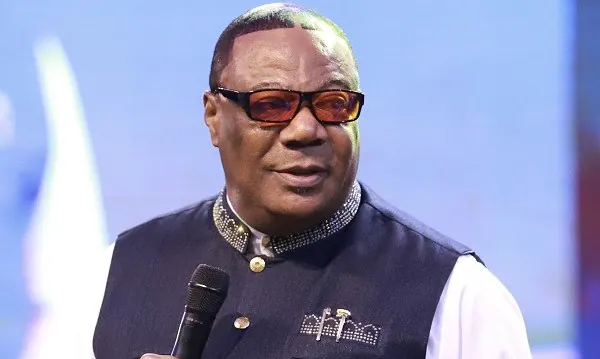
A sermon delivered by Archbishop Nicholas Duncan-Williams in July 2026 has resurfaced, sparking renewed debate about social media insults in Ghana. The Action Chapel International founder told his congregation that "freedom of speech has become freedom of insults." He argued that this culture of insults has stifled honest conversation about governance and encouraged people to speak "nonsense" without consequence.
The archbishop's remarks have gained traction as Ghana's debate over online conduct intensifies. President John Dramani Mahama recently defended police action against individuals arrested for insulting officials online. He also warned his appointees that they were not shielded from scrutiny by agencies like the Economic and Organised Crime Office (EOCO). Mahama has called for national talks on regulating social media platforms like TikTok.
Duncan-Williams described the trend of online insults as "foolishness" and led his congregation in a prayer of repentance. He urged Ghanaians to take responsibility for how they treat one another, rather than shifting blame. The archbishop cautioned that online insults would not go unanswered forever, warning that such words would eventually "come back to bite" the speaker.
The renewed attention on Duncan-Williams' remarks comes amid growing uncertainty over where legitimate criticism ends and punishable insult begins. Police have already arrested individuals over derogatory comments made about public officials. One prominent online critic, known as Ghana Jollof, has yet to be arrested despite frequent commentary.
President Mahama has tasked a media coalition with engaging stakeholders and gathering ideas on tackling the problem of online insults. However, no timeline for concluding these consultations or introducing new rules has been given. The conversation has expanded beyond online decorum into broader questions of official accountability.
The Economic and Organised Crime Office (EOCO) has been mentioned in the debate, highlighting its role in investigating and prosecuting economic and organised crime, including corruption-related offences. The agency's involvement underlines the complexity of the issue and the need for a comprehensive approach.
As Ghana's debate over online conduct continues, ordinary Ghanaians active on social media face direct consequences. The government's consideration of tighter rules around online expression has sparked concerns about the limits of free speech and the regulation of social media platforms.
Key points
- Archbishop Nicholas Duncan-Williams' sermon criticizing social media insults has resurfaced amid Ghana's debate over online abuse of officials.
- President John Dramani Mahama has defended police action against individuals arrested for insulting officials online and called for national talks on regulating social media platforms.
- The debate over online conduct in Ghana has raised questions about the limits of free speech, official accountability, and the regulation of social media platforms.