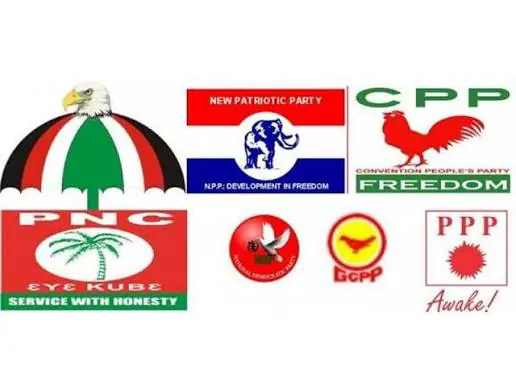
The Global Organised Crime Index has released a report highlighting the alleged links between Ghana's drug trade and the financing of political parties and the country's housing boom. The report claims that individuals involved in the drug trade have financed political parties, while money linked to the illicit market has helped fund the country's housing boom. This is part of broader concerns about the links between organised crime, political influence, and legitimate business activities.
According to the report, criminal networks in Ghana exert influence on the country's democratic processes through money rather than primarily through violence. These networks, bound by ethnic, religious, or familial ties, have a profound impact on Ghanaian society, undermining public institutions and exerting influence on democratic elections primarily through financial pressure. The report also notes that the overlap between lawful enterprises and criminal operations has complicated efforts to distinguish between the two.
The report identifies corruption across various sectors in Ghana, including public procurement, some elements of the judiciary, the Ghana Police Service, and land, tax, and customs administrations. It is estimated that the country loses around $4 billion annually to corruption, roughly 20% of the national budget. The findings also implicate members of security and intelligence institutions in facilitating illicit activities, including drug and arms trafficking, illicit mining, and other organised criminal activities.
The report notes that the intertwining of criminal and legitimate networks has become widespread, making it challenging to distinguish between them. This has significant implications for efforts to combat organised crime and corruption in Ghana. The country's political parties and real estate sectors are not the only areas affected, as the report also highlights concerns about the links between organised crime and the gold sector.
The Global Organised Crime Index report was funded in part by a grant from the United States Department of State. However, the US Department of State has noted that the opinions, findings, and conclusions stated in the report are those of the authors and do not necessarily reflect those of the Department. The report's findings have significant implications for Ghana's efforts to combat organised crime and corruption.
The report's release comes at a time when Ghana is confronting mounting drug trafficking cases. The country's authorities have been working to address the issue, but the report's findings suggest that more needs to be done to tackle the root causes of the problem. The report's authors are calling for greater efforts to address the links between organised crime and corruption in Ghana.
Key issues highlighted in the report include the alleged financing of political parties and the real estate sector by money from the drug trade, widespread corruption across various sectors, and the intertwining of criminal and legitimate networks.
Key points
- The report estimates that Ghana loses around $4 billion annually to corruption.
- The Global Organised Crime Index report was funded in part by a grant from the United States Department of State.
- The report highlights concerns about the links between organised crime, political influence, and legitimate business activities in Ghana.