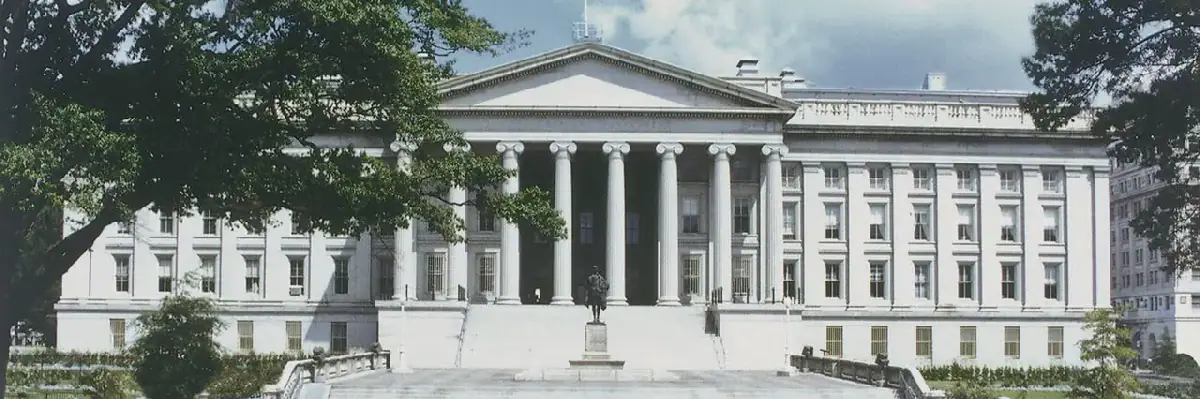
The Democratic Republic of Congo has publicly expressed gratitude to the United States for imposing sanctions on Rwanda's Ministry of Defence and a Rwandan financial institution. The sanctions, announced by the US Department of the Treasury on October 28, target entities accused of facilitating support for the M23 armed group operating in eastern Congo. The Congolese Embassy in the US described the measures as a necessary step to hold Rwanda accountable for its actions.
The US Treasury Department accused Rwanda's Ministry of Defence of directing the deployment of thousands of Rwanda Defence Force troops in North and South Kivu provinces, where they allegedly operated alongside M23 fighters. The department also alleged that Rwandan forces introduced surface-to-air missile systems and electronic jamming equipment into the conflict zone, posing risks to civilian aviation. The sanctions aim to pressure Rwanda to end its support for M23 and withdraw its troops from Congolese territory.
The sanctions target Rwanda's Ministry of Defence and the Zigama Credit and Savings Society, a financial institution serving members of the country's security services. The US Treasury alleged that Zigama facilitated payments for weapons, ammunition, and other military equipment intended for the Rwanda Defence Force. Additionally, the institution allegedly enabled the movement of gold from territory controlled by M23 in eastern Congo to Kigali and handled financial transactions connected to M23.
Rwanda has repeatedly denied supporting M23, citing security concerns related to the presence of the Democratic Forces for the Liberation of Rwanda, known as the FDLR. The allegations underlying the sanctions are Washington's official findings, distinct from claims independently established through a judicial process. The US designation blocks property and financial interests belonging to the sanctioned entities within the United States or under the possession or control of US persons.
The Congolese government has long accused Rwanda of backing M23 and violating its sovereignty. By publicly thanking the US Treasury Department, the Congolese embassy reinforced its demand that Rwanda implement the commitments made under the Washington Accords for Peace and Prosperity. The agreement, signed on December 4, 2025, by Congolese President Félix Tshisekedi and Rwandan President Paul Kagame, aimed to support an end to the conflict while expanding economic cooperation and trade.
The conflict in eastern Congo has an economic dimension, with substantial deposits of minerals such as coltan and gold. Control over mining areas and transportation routes has become a critical aspect of the dispute. The US Treasury alleged that minerals from areas controlled by M23 enter supply chains through Rwanda, an accusation Kigali disputes. These concerns have complicated efforts to combine security arrangements with regional economic integration.
The US had previously imposed sanctions on the Rwanda Defence Force and four senior Rwandan military officials in March 2026, accusing them of supporting M23. The latest measures extend an existing sanctions campaign, targeting institutional and financial channels supporting the military and the armed group. The US aims to restrict alleged channels supporting the military and M23, adding pressure on Rwanda to end its involvement in the conflict.
Key points
- The US Treasury Department imposed sanctions on Rwanda's Ministry of Defence and a financial institution, citing their alleged role in supporting the M23 armed group.
- The Democratic Republic of Congo welcomed the sanctions, urging Rwanda to end its support for M23 and withdraw its troops from Congolese territory.
- The conflict in eastern Congo has an economic dimension, with control over mining areas and transportation routes becoming a critical aspect of the dispute.