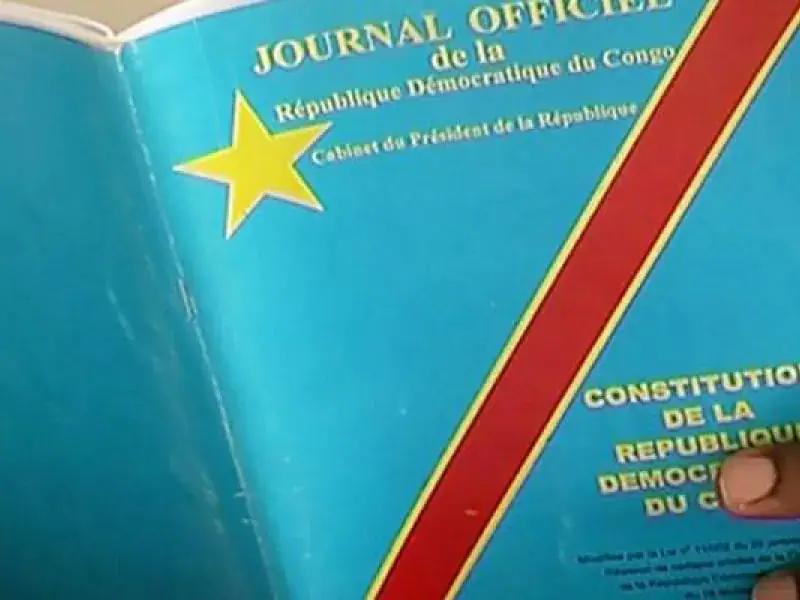
The Front pour la refondation de la nation (FRN), a politico-military movement in the Democratic Republic of the Congo, has raised concerns with the United Nations over potential changes to the country's constitution. According to Bertrand Bisimwa, vice-president of the FRN, any changes to the constitution would undermine the Doha peace process, which the group is engaged in with the Congolese government. The FRN, formerly known as AFC/M23, met with a UN delegation led by James Swan, head of MONUSCO.
The FRN's concerns come amid reports that President Félix Tshisekedi's administration is considering changes to the constitution. Bisimwa stated that the group's dialogue with Kinshasa is based on the current constitution, and any changes would render the agreements signed in Doha null and void. The FRN has requested that the UN urge President Tshisekedi to abandon plans for constitutional reform. The movement is supported by Rwanda and is opposed by the international community.
The UN delegation, led by James Swan, met with FRN leaders, including Joseph Kabila, the movement's president. The FRN presented its concerns to the UN, highlighting the risks of destabilizing the peace process in the region. The group has expressed reservations about the renewal of MONUSCO's mandate and its potential redeployment to the Sud-Kivu province.
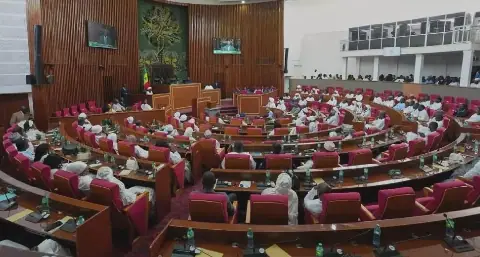
The FRN's concerns over constitutional changes are shared by opposition groups in the country. The opposition views the proposed changes as an attempt by the ruling majority to extend President Tshisekedi's term in office. The country's parliament recently adopted a law organizing a referendum on constitutional reform, sparking fears of a constitutional crisis.
The FRN's engagement with the UN comes as the group faces criticism from the international community. The International Contact Group for the Great Lakes Region has called for dialogue to resolve the crisis in the DRC. The FRN, however, maintains that it is committed to the Doha peace process and seeks to address its concerns through dialogue.
The situation in the DRC remains volatile, with ongoing clashes between the FRN and government forces in the Masisi region. The group has also been accused of human rights abuses, and its activities have sparked concerns among humanitarian organizations. The UN has maintained a peacekeeping presence in the country, known as MONUSCO, to support efforts to stabilize the region.
The FRN's warning to the UN highlights the complexities of the peace process in the DRC. The group's concerns over constitutional changes reflect the challenges of balancing competing interests and priorities in the country. The international community will be watching closely as the situation unfolds, with implications for regional stability and security.
Key points
- FRN rebels warn UN that changing DR Congo's constitution would undermine Doha peace process.
- FRN expresses concerns over President Tshisekedi's plans for constitutional reform.
- UN delegation meets with FRN leaders to discuss concerns over peace process and constitutional changes.