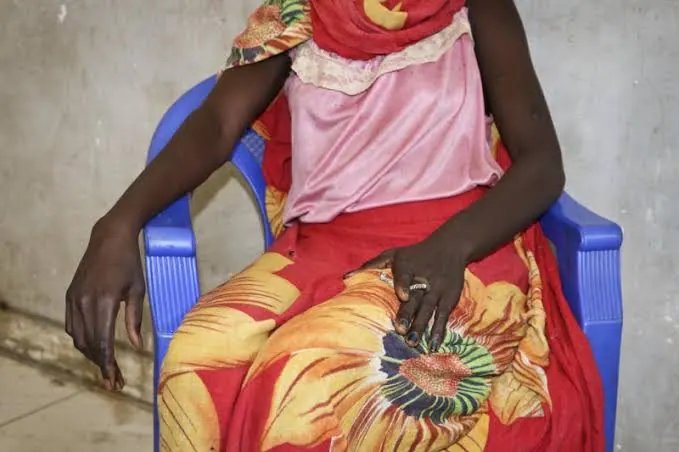
The High Court in Malindi, Kenya, has criticized the Office of the Director of Public Prosecution (ODPP) for drafting defective charges in a rape case involving a mentally ill woman. Justice Francis Kyambia stated that the ODPP failed to properly charge Jabil Chai, who was accused of raping a mentally challenged woman, S.L., on January 28, 2022, in Kilifi County. The court ultimately acquitted Chai due to the errors in the charges.
According to Justice Kyambia, the ODPP charged Chai under the wrong statute, using Section 7 of the Sexual Offences Act No. 3 of 2006, instead of Section 146 of the Penal Code, which deals with rape of a person with disabilities. The judge noted that the prosecution failed to prove that the act of sexual assault was committed within the view of a family member, a child, or a person with a mental disability. This mistake led to Chai's conviction being quashed.
The judge also faulted the ODPP and the lower court for failing to ascertain the vulnerability of the rape victim before appointing an intermediary, her mother, to testify on her behalf. Justice Kyambia stated that it is the duty of the prosecution to ascertain the vulnerability of the witness and apply to the court to make that declaration before appointing an intermediary. The judge's findings highlighted a miscarriage of justice in the manner in which the evidence of the complainant was taken by the trial court.
Furthermore, Justice Kyambia noted that the alternative charge against Chai was equally defective, as it referred to the accused as Samuel Chome Ngumbao, who is a different person from the appellant. The judge said that this portends a lack of diligence in framing the charges and that the prosecution did not have the necessary care in preparing the case. As a result, Chai was charged with an offence that fell under a different statute.
In his appeal, Chai argued that the trial court failed to adhere to the proper procedure in declaring S.L. a vulnerable person and appointing her mother as an intermediary. Justice Kyambia agreed, stating that the declaration of S.L. as vulnerable and the appointment of her mother as an intermediary did not meet the legal threshold. The judge's decision to acquit Chai was based on the defective charges and the failure to follow proper procedures.
The case began when Chai was slapped with 20 years' imprisonment by the lower court for raping S.L. However, upon appeal, Justice Kyambia acquitted him after establishing that the charges were defective and that the prosecution had failed to prove the case. The judge's decision highlighted the importance of proper drafting of charges and adherence to procedures in cases involving vulnerable witnesses.
The acquittal of Chai has raised concerns about the handling of cases involving mentally challenged victims of sexual assault. The case highlights the need for prosecutors to handle such cases with care and to ensure that the rights of vulnerable witnesses are protected. The ODPP has been faulted for its handling of the case, and the judgment is expected to have implications for future cases involving similar circumstances.
Key points
- The High Court in Malindi, Kenya, has faulted the ODPP for drafting defective charges in a rape case involving a mentally ill woman.
- The court ultimately acquitted the accused, Jabil Chai, due to the errors in the charges.
- The case highlights the need for prosecutors to handle cases involving mentally challenged victims of sexual assault with care and to ensure that the rights of vulnerable witnesses are protected.