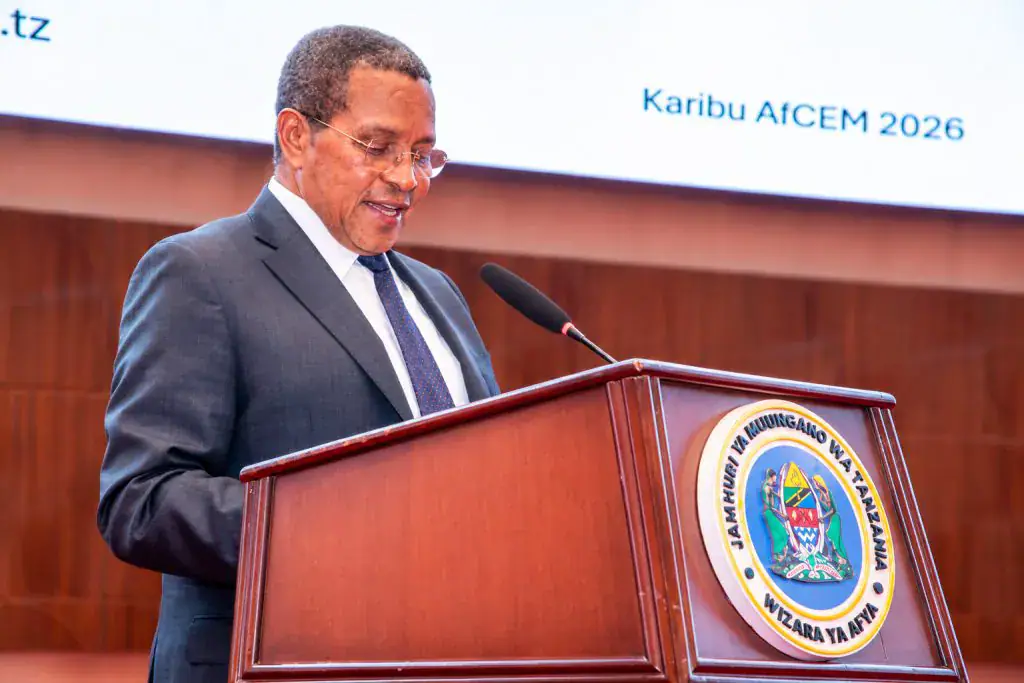
Former Tanzanian President Dkt. Jakaya Mrisho Kikwete has shared the history of the establishment of emergency medical services in Tanzania. He revealed that the initiative was driven by the need to improve the country's healthcare system and reduce preventable deaths among critical patients and victims. Speaking at the 8th African Conference on Emergency Medicine (ACEM 2026) in Arusha, Dkt. Kikwete stated that the journey began in 2007 through discussions with Miles White, Chairman and CEO of Abbott Fund.
During the discussions, Dkt. Kikwete and Mr. White explored ways to improve healthcare services in Tanzania, including strengthening laboratory services in regional hospitals and establishing an effective emergency medical services system. In 2008, Abbott Fund committed to supporting the development of emergency medical services in the country, leading to the establishment of the first emergency department at the National Muhimbili Hospital in 2010.
Prior to the establishment of the emergency department, patients arriving at the hospital were received in the reception areas, underwent preliminary tests, and were then referred to either inpatient or outpatient services. This process highlighted the need for a specialized system to rapidly attend to critical patients and victims. Dkt. Kikwete emphasized that the establishment of the emergency department marked a significant milestone in Tanzania's healthcare sector.
Following the establishment of the emergency department, Dkt. Kikwete stressed the importance of recognizing emergency medicine as a formal profession within Tanzania's healthcare system. He also initiated training programs at the Muhimbili University of Health and Allied Sciences (MUHAS). Dkt. Kikwete noted that investing in the training of professionals was crucial, as modern facilities and equipment alone could not bring about the desired changes without skilled personnel.
Dkt. Kikwete discussed the progress made in the 16 years since the establishment of emergency medical services at the National Muhimbili Hospital. Tanzania has made significant strides in expanding emergency services across the country, with professional training programs continuing to grow and strengthen. He attributed these developments to strategic investments in the healthcare sector, collaboration among stakeholders, and a focus on building local capacity.
The expansion of emergency medical services has increased the chances of saving lives among critical patients and victims. Dkt. Kikwete's efforts have contributed to a more efficient healthcare system, with a focus on providing timely and effective care. The growth of emergency medicine in Tanzania is a testament to the country's commitment to improving its healthcare sector.
The establishment of emergency medical services in Tanzania has had a lasting impact on the country's healthcare system. As the country continues to grow and develop, the importance of emergency medicine will only continue to increase. Dkt. Kikwete's work has laid the foundation for a more efficient and effective healthcare system, which will benefit the people of Tanzania for years to come.
Key points
- Former Tanzanian President Dkt. Jakaya Kikwete shared the history of emergency medical services in Tanzania at the 8th African Conference on Emergency Medicine (ACEM 2026).