Djibouti is seeking to leverage its strategic geographic location at the crossroads of Africa and the Middle East to enhance its presence in the global digital economy. The country is focusing on developing its communications infrastructure, protecting data, and expanding international partnerships to boost its regional and international standing in digital technology. This effort is part of a broader strategy to ensure that Djibouti's digital sector is not just a tool for modernizing services but a key pillar of its national sovereignty and strategic autonomy.
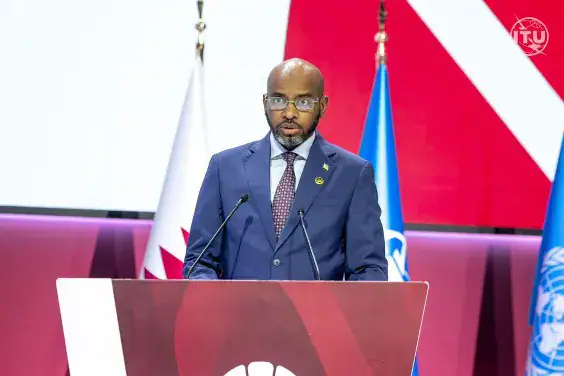
In a recent speech at the International Telecommunication Union (ITU) conference in Doha, Qatar, Djibouti's Minister of Information, Posts, and Telecommunications, Mohamed Abdulkadir Moussa Heil, outlined the country's ambitions and strategic directions in the digital sector. The minister emphasized Djibouti's commitment to making digital transformation a strategic driver of development, aligning with the country's Vision 2035 and National Digital Transformation Strategy. Key steps include adopting a digitalization law in June 2025, enhancing communications infrastructure, and expanding fiber-optic networks.
A major challenge for Djibouti is converting its geographic position into technological, economic, and institutional capacities that enhance its standing in the global digital economy. The country's participation in international forums like the ITU conference is crucial for advancing its digital agenda and exploring opportunities for cooperation and partnerships. Djibouti's focus on digital sovereignty reflects a broader recognition that control over digital infrastructure and networks is a critical aspect of national sovereignty in the modern era.
The minister highlighted several national priorities, including enhancing cybersecurity, protecting critical infrastructure, and improving the resilience of communication networks. These issues are increasingly important amid international competition for technology, where the challenge extends beyond providing communication services to ensuring the continuity of digital services and protecting national strategic interests. The responsible use of artificial intelligence also poses significant political, ethical, and regulatory challenges.
On the sidelines of the conference, the minister held bilateral meetings with counterparts from several countries, including Algeria, Kenya, and Brunei. These discussions focused on enhancing cooperation and exchanging experiences in media, communications, and digital transformation. Such interactions underscore the importance of regional and international cooperation in building sustainable digital capacities and promoting a more integrated and competitive African digital space.
The minister also visited the Al Jazeera Media Network in Doha, where he was briefed on the network's facilities and professional and technical capabilities. The visit provided an opportunity to explore cooperation in media and communication, reflecting Djibouti's interest in strengthening relations with international media institutions. This engagement is part of Djibouti's broader effort to enhance its external presence and leverage international expertise in the media sector.
Achieving Djibouti's digital ambitions requires converting plans, strategies, and legislation into tangible outcomes through sustainable investment in infrastructure, human resource development, and technology localization. The fundamental challenge for Djibouti is transforming its geographic location into genuine digital power, not merely connecting to global networks but also controlling its digital infrastructure, determining usage priorities, and steering its development and future.
Key points
- Djibouti aims to leverage its strategic location to develop its digital sector and enhance national sovereignty.
- The country is focusing on developing communications infrastructure, protecting data, and expanding international partnerships.
- Djibouti's participation in international forums is crucial for advancing its digital agenda and exploring cooperation opportunities.
Reporting sources
- Al Qarn · Al Qarn