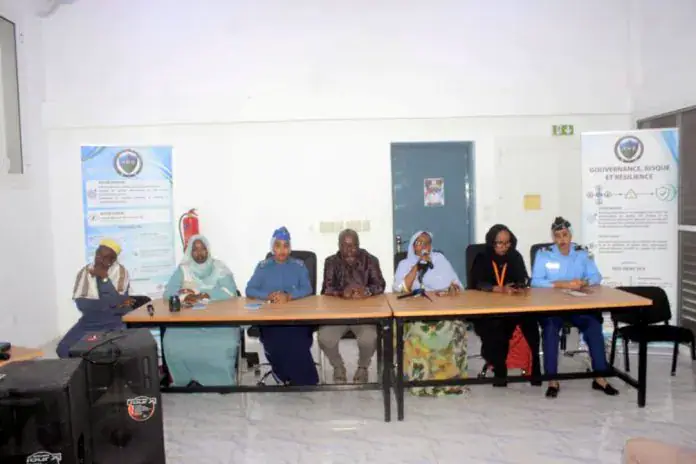
In today's digital age, children in Djibouti are growing up with the internet playing a significant role in their daily lives. They use it to learn, play, watch videos, communicate with friends, and explore new interests. However, this increased online presence also exposes them to various risks that parents may not always be aware of. To address this, experts stress the importance of education and open dialogue between parents and children to ensure safe and responsible internet use.
The risks associated with internet use among children are numerous. Cyberbullying is a major concern, with children facing mockery, insults, humiliation, and the spread of personal content on social media and messaging platforms. Inappropriate content, online scams, and malware are additional threats. Children may also share personal data without understanding the consequences, and they may encounter fake profiles or meet strangers online. Excessive screen time can negatively impact their sleep, concentration, physical activities, and family interactions.
Rather than imposing a blanket ban on internet use, experts recommend establishing regular dialogue between parents and children. This approach enables parents to understand their children's online activities, listen to their concerns, and provide guidance without simply imposing restrictions. By doing so, children can learn to recognize potential dangers and know who to turn to for help. Simple actions, such as watching videos together, configuring applications, and setting family rules, can reinforce this preventive approach.
The role of parents and the broader community is crucial in promoting responsible internet use among children. Schools and family members can help convey consistent messages about online safety. As children grow older, they need more autonomy and privacy, but this should be balanced with guidance and support. Open communication helps build trust, making children more likely to report suspicious content, messages, or bullying incidents without fear of punishment.
Parental control tools can be useful in monitoring and limiting children's internet use. These tools allow parents to restrict screen time, manage access to certain applications, limit content, and set usage schedules. However, these tools are not foolproof and should be used in conjunction with education and dialogue. Parents should explain the purpose of these tools to their children and involve them in setting rules, fostering a sense of responsibility and cooperation.
The goal of promoting online safety is not to restrict children's access to the internet but to empower them with the knowledge and skills to navigate it safely. By combining education, dialogue, and parental control tools, parents can help their children develop good online habits and a healthy relationship with the internet. This approach enables children to make informed decisions and take responsibility for their online actions.
Authorities in Djibouti, including Sadik Ahmed, are emphasizing the importance of protecting children online. With the right guidance and support, children can harness the benefits of the internet while minimizing its risks. By working together, parents, educators, and the community can help create a safer online environment for young users in Djibouti.
Key points
- Education and dialogue are key to promoting online safety among children in Djibouti.
- Parental control tools should be used in conjunction with education and open communication.
- The goal is to empower children with the knowledge and skills to navigate the internet safely and responsibly.