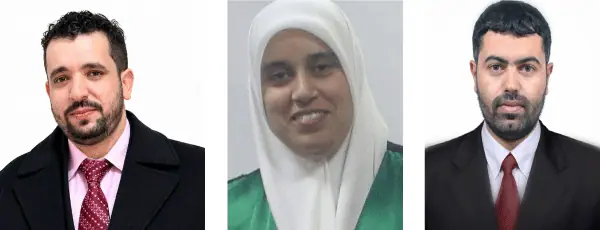
Algerian literature professors and actors have noted that digital reading communities have brought attention to books and literary works, introducing new readers to various texts. According to Dr. Hanaa Shabaiki, a professor of classical Arabic literature at the University of Emir Abdelkader for Islamic Sciences, digital platforms have created new forms of literary circulation outside traditional spaces. This has enabled readers to share their thoughts and suggestions with a wide audience.
Dr. Shabaiki cautions that the revival of literary works online does not necessarily imply a revival of their literary value. She distinguishes between the return of a book to circulation and its rediscovery through critical and aesthetic analysis. A work may gain popularity due to its relevance to a particular experience or a striking quote, but this does not mean readers have grasped its artistic or intellectual aspects.
The Arabic literature scene has benefited from digital platforms, but not all works have gained equal traction. Dr. Shabaiki attributes this to factors such as translation, promotion, and accessibility. The global literature scene, with its extensive distribution and marketing networks, has a significant advantage. Algerian literature faces additional challenges, including disparities in digital publishing and limited translation.
Dr. Elias Blih, a professor of textual linguistics at the University of Constantine 1, believes that the current literary landscape requires a nuanced scientific analysis. He notes that digital platforms have transformed the way creative works reach their audience, with social media influencers and online communities playing a significant role. The "BookTok" phenomenon has become a driving force for publishing houses and has sparked numerous discussions about literary works.
However, Dr. Blih also expresses concerns about the potential risks of digital platforms, such as the superficiality of literary discussions and the dominance of Western trends. He advocates for a thorough examination of the phenomenon, including its impact on readers and the literary market. Additionally, he suggests that the Algerian literary scene needs to adapt to these changes and find ways to harness the potential of digital platforms.
Rafik Taibi, a novelist and publisher, believes that digital reading communities have given new life to many literary works, including some that were previously overlooked. These platforms have enabled books to reach a wider audience, particularly young readers, through visual content and personal impressions. Taibi sees this as an opportunity to convert online presence into investment in public awareness and cultural enrichment.
The intersection of literature and digital technology in Algeria raises questions about the value and relevance of literary works in the digital age. As the literary scene continues to evolve, it is essential to consider the implications of digital platforms on literary production, circulation, and reception. By understanding these changes, Algerian literary figures can harness the potential of digital technology to promote literature and foster a culture of reading.
Key points
- Digital reading communities have revived interest in literary works in Algeria, introducing new readers to various texts.
- The impact of digital platforms on Algerian literature is complex, with both opportunities and challenges arising from this intersection.
- Algerian literary figures emphasize the need for a nuanced understanding of the role of digital technology in shaping the country's literary scene.