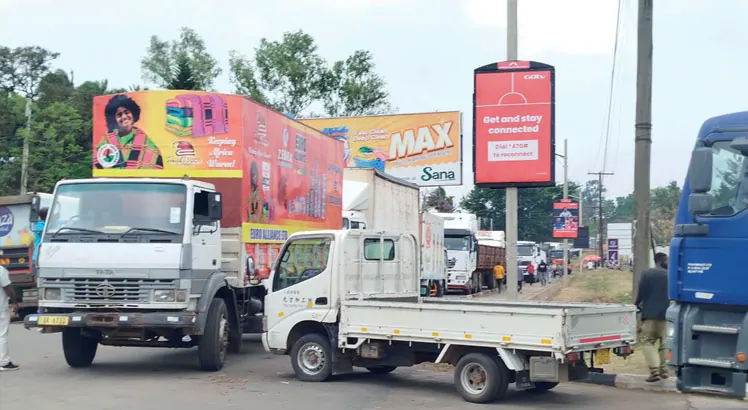
Economic activity in Malawi has been severely impacted by a persistent diesel scarcity that has lasted for over a month. Businesses are experiencing increased operating costs and losses as trucks and machinery remain idle while waiting for fuel. The shortage has affected various sectors, including transportation and production, with many businesses struggling to maintain operations.
Transport operators have reported prolonged delays in the movement of goods, exacerbating the economic strain. Businesses that rely on diesel for production, transport, and backup power are facing increased operating costs and lost working time. This has resulted in significant losses for many companies, further straining the economy.
The Malawi Union of Small and Medium Enterprises president, James Chiutsi, stated that small and medium enterprises are among those bearing the brunt of the shortage. He noted that trucks are often parked for days, and costs have doubled due to black market prices of up to K10,000 per litre. As a result, production has stopped for many millers and manufacturers.
The diesel scarcity has also affected the agricultural sector, particularly milk producers. According to Herbert Chagona, the national director of the Malawi Milk Producers Association, unreliable fuel supplies are making it difficult for producers to run generators needed to cool milk during electricity outages. Additionally, transport challenges are affecting the movement of milk to processors.
Road Transport Operators Association of Malawi executive director Chrissie Flao noted that operators continue to incur fixed costs, including salaries and finance commitments, even when trucks are not generating income. This has put immense pressure on transport operators, who are struggling to maintain their businesses amidst the fuel shortage.
The Malawi Energy Regulatory Authority has attributed the fuel shortages to the country’s wider foreign exchange constraints. According to Fitina Khonje, the consumer affairs and public relations manager, fuel procurement remains a priority. However, the country’s reliance on imported fuel has made it vulnerable to fluctuations in global prices and exchange rates.
Malawi’s daily fuel consumption is approximately one million litres of petrol and one million litres of diesel, resulting in a combined monthly consumption of 60 million litres and 720 million litres annually. The country’s economic activity is expected to continue suffering until a lasting solution to the foreign exchange constraints and fuel shortages is found.
Key points
- The diesel scarcity has resulted in increased operating costs and losses for businesses.
- Small and medium enterprises are among those bearing the brunt of the shortage.
- The fuel shortages are directly linked to the country’s wider foreign exchange constraints.