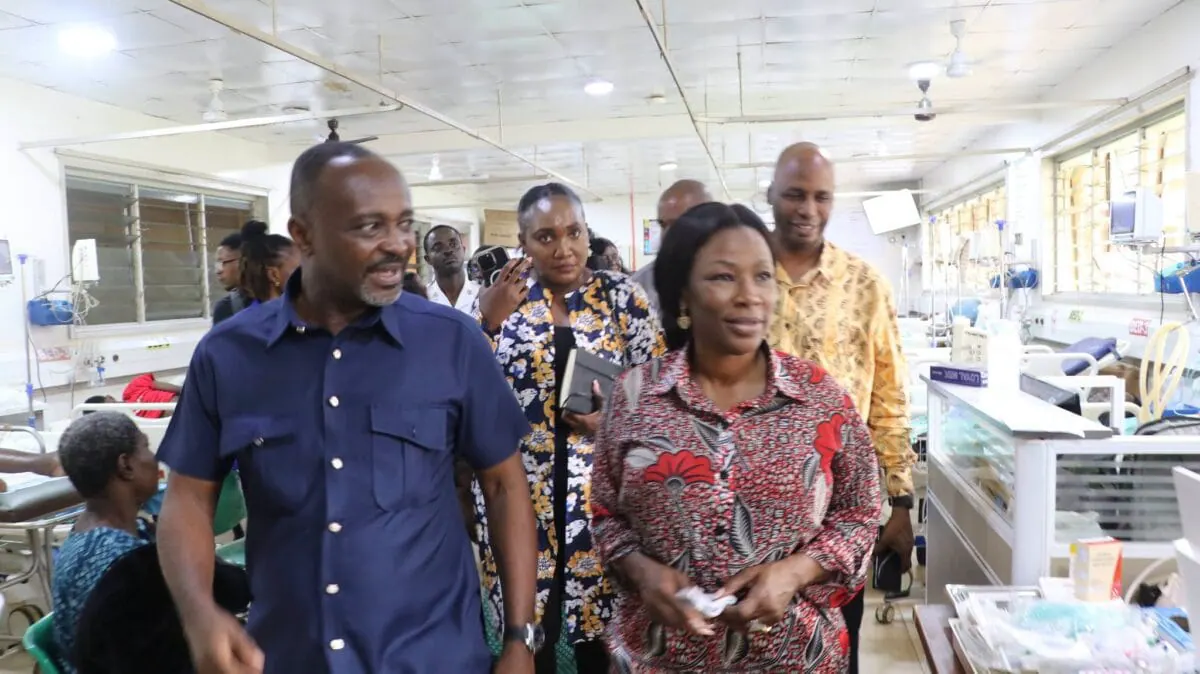
The Deputy Minister for Health, Prof. Dr. Grace Ayensu-Danquah, has initiated the Ministry of Health's Maternal Mortality Action and Response Programme (M-MARP) in the Bono Region. This two-day working visit marks her sixth regional engagement under the M-MARP Regional Ecosystem Assessment. The programme aims to identify and address persistent gaps contributing to preventable maternal deaths in the region. Key stakeholders, including the Bono Regional Health Directorate and hospital officials, are participating in the engagement.
The M-MARP programme seeks to move beyond policies and programmes to understand the ground realities and identify specific gaps resulting in maternal deaths. Prof. Dr. Ayensu-Danquah noted that despite numerous maternal health policies and interventions, maternal mortality remains a major concern in Ghana. The programme is designed to reassess existing approaches and develop a coordinated roadmap for action to address this issue. The Deputy Minister emphasized the need for a comprehensive approach to tackle maternal mortality.
The assessment focuses on maternal health service delivery, referral systems, emergency obstetric care, and other factors affecting maternal outcomes in the region. Prof. Dr. Ayensu-Danquah observed that many women who die from maternal complications have interacted with the health system, including attending antenatal care. This raises questions about the quality, timeliness, and effectiveness of care received by these women. The programme aims to address these concerns and improve maternal health outcomes.
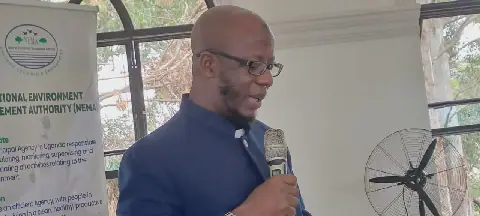
The Bono Regional Director of Health Services, Dr. Abudulai Abukari, identified several challenges contributing to maternal deaths in the region. These include delays in seeking care, referrals, and receiving appropriate treatment. He also cited gaps in identifying high-risk pregnancies, inadequate critical equipment, and challenges with ambulance availability and referral services. Dr. Abukari emphasized the need for stronger referral systems and sustainable financing to address these challenges.
The Bono Region has instituted measures to address maternal mortality, including regular maternal death reviews and refresher training for midwives. A regional clinical WhatsApp platform has been established to allow health workers to seek specialist guidance on complicated cases in real-time. Dr. Abukari called for improved infrastructure and equipment, as well as better distribution of health personnel, to support maternal health services in the region.
Prof. Dr. Ayensu-Danquah stressed that reducing maternal mortality requires a coordinated response involving multiple stakeholders. These include health professionals, families, traditional and religious leaders, communities, civil society, and development partners. The M-MARP regional assessments aim to generate practical action points to strengthen maternal health services and prevent avoidable maternal deaths. The programme seeks to engage all relevant stakeholders in the effort to reduce maternal mortality.
The Deputy Minister's visit to the Bono Region is part of a broader effort to address maternal mortality across Ghana. The M-MARP programme is expected to inform the development of a coordinated roadmap for action to tackle this issue. By engaging with stakeholders at the regional level, the programme aims to identify and address specific gaps in maternal health services and improve outcomes for women in Ghana.
Key points
- The Deputy Minister for Health, Prof. Dr. Grace Ayensu-Danquah, has launched the Maternal Mortality Action and Response Programme in the Bono Region to address persistent gaps contributing to preventable maternal deaths.
- The programme aims to identify and address specific gaps in maternal health services, including referral systems, emergency obstetric care, and other factors affecting maternal outcomes.
- Reducing maternal mortality requires a coordinated response involving health professionals, families, traditional and religious leaders, communities, civil society, and development partners.