The government of the Democratic Republic of Congo has initiated a national solidarity campaign aimed at providing assistance to the most vulnerable populations. Launched by President Felix Tshisekedi on August 27, the campaign seeks to provide a permanent mechanism for national solidarity, moving away from ad-hoc interventions. The initiative is driven by the need to address the plight of internally displaced persons, natural disaster victims, and populations affected by armed conflicts and climate-related disasters.
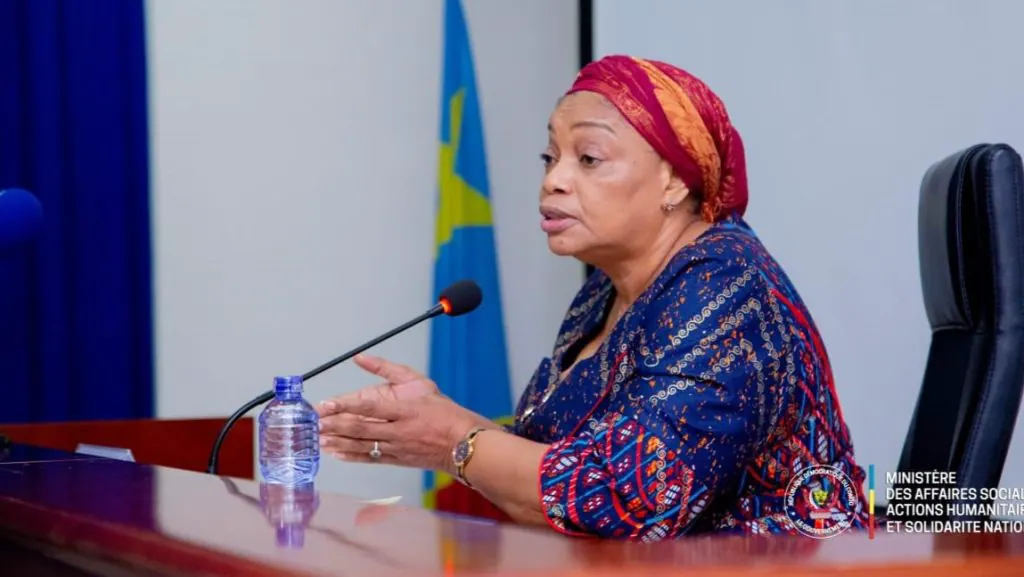
The campaign's success hinges on a substantial budget of $1.4 billion, which will be managed by the National Solidarity Fund, a public institution under the Ministry of Social Affairs and Humanitarian Action. Minister Eve Bazaiba, in charge of social affairs, emphasized that the funds will be used to support vulnerable groups, including street children, victims of natural disasters, and people with disabilities. The minister assured that the resources will be administered transparently, with accountability to both government structures and the highest authorities in the country.
The national solidarity campaign is designed to be a permanent and voluntary effort, engaging citizens, public and private partners, NGOs, and individuals of goodwill. Unlike previous initiatives, the campaign will be organized nationwide, with the collection of funds and resources beginning in Kinshasa before expanding to other provinces. Minister Bazaiba stressed that the campaign's goal is not only to provide assistance but also to foster a sense of national unity and patriotism, combating tribalism and promoting solidarity among Congolais.
To ensure the campaign's success, Minister Bazaiba called on the media to play a crucial role in promoting the initiative and covering its activities. She acknowledged the support of local media in her previous endeavors and encouraged journalists to use their platforms to raise awareness and mobilize public support. By drawing inspiration from experiences in developed countries, such as the United States and France, the minister aims to amplify the campaign's impact through effective communication and media engagement.
The minister's approach marks a departure from previous efforts, which often faltered due to inadequate management and lack of transparency. Bazaiba described herself as the "national beggar" for the most vulnerable, committed to mobilizing resources and providing a dignified life for those in need. She expressed her determination to avoid failure, which she believes would be perpetuating the current state of vulnerability and destitution among certain populations.
The national solidarity campaign also acknowledges the contributions of existing organizations and faith-based groups working to support vulnerable populations. Minister Bazaiba praised their efforts and encouraged collaboration to maximize the campaign's reach and effectiveness. By working together, the government and its partners aim to address the pressing needs of the most vulnerable and promote a culture of solidarity and mutual support.
As the campaign gains momentum, it is expected to have a significant impact on the lives of millions of Congolais. With a focus on transparency, accountability, and inclusivity, the initiative has the potential to become a model for humanitarian action in the region. Key to its success will be the continued engagement of citizens, media, and partners in supporting the most vulnerable populations and promoting national unity.
Key points
- The Democratic Republic of Congo's national solidarity campaign aims to raise $1.4 billion to support vulnerable populations.
- The campaign is designed to be a permanent and voluntary effort, engaging citizens and partners nationwide.
- The initiative seeks to promote national unity, combat tribalism, and provide assistance to those affected by conflicts, disasters, and poverty.