Deep Yellow Limited, an Australian uranium developer, has published its 2026 Sustainability Report, detailing its environmental, radiation safety and social performance in Namibia. The report, prepared in line with Global Reporting Initiative standards, covers pre-production activities, economic contribution and environmental management at the Tumas Uranium Project and associated Namibian exploration tenements. This move is a significant step as the company advances towards a final investment decision on the project.
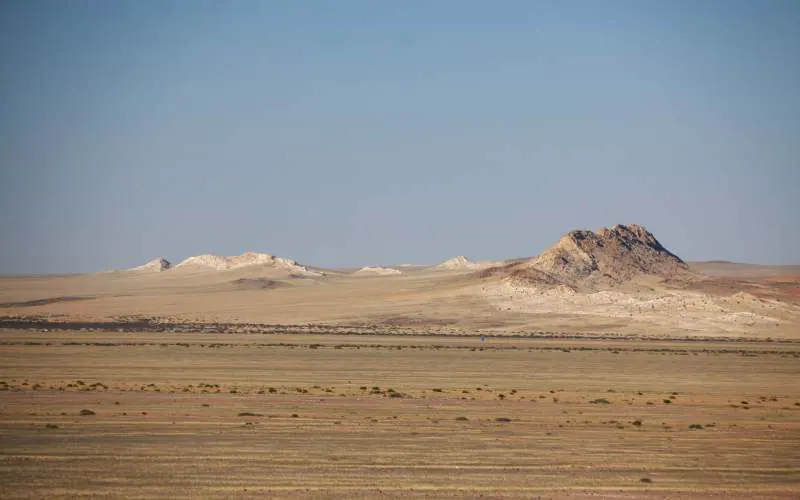
The Tumas Uranium Project, located in the Erongo Region of Namibia, has seen 211.3 hectares of land cumulatively converted for development during the financial year. To minimize environmental impact, Deep Yellow adjusted its infrastructure designs and mine plans to avoid highly sensitive desert habitats. The company has also commissioned additional biodiversity, soil and cumulative environmental impact studies, which are expected to be completed in 2027. These studies aim to ensure compliance with the Equator Principles and International Finance Corporation standards.
Water management is a critical aspect of Deep Yellow's operations in Namibia. During the reporting period, water use accounted for 97% of the company's global water consumption, with 47.6 megalitres withdrawn for Namibian operations. The extracted water is saline local groundwater, obtained under an abstraction licence, with no known community reliance on the source. To monitor and manage water usage, Deep Yellow has established a groundwater monitoring network comprising more than 50 boreholes.
Deep Yellow has implemented measures to ensure radiation safety in its operations. The company has project-specific Radiation Management Plans in place, overseen by a Radiation Safety Officer. During the reporting period, six uranium-in-urine sampling campaigns were conducted, involving 60 samples from 28 local workers. None of the samples exceeded best-practice upper limits, with average results at about 15% of the desirable threshold.
The company's workforce in Namibia consists of 45 people, with Namibian nationals making up 93% of the local workforce. Deep Yellow has also prioritized local procurement, with 42% of its Namibian procurement spending directed to suppliers local to its operations. To increase local participation, the company established an online procurement portal for Namibian businesses and introduced contract weighting criteria favouring local labour and local-content procurement.
Deep Yellow's social sustainability activities in Namibia include community support programmes, educational assistance and youth empowerment initiatives through local sports. The company aims to contribute positively to the local community as it advances with the Tumas Uranium Project. Commercial production at Tumas is projected to begin in 2029, marking a significant milestone for the company.
The release of the 2026 Sustainability Report demonstrates Deep Yellow's commitment to transparency and responsible operations. The report provides stakeholders with a comprehensive overview of the company's environmental, radiation safety and social performance in Namibia. As the company moves closer to a final investment decision on the Tumas Uranium Project, its sustainability efforts will likely remain a key focus area.
Key points
- Deep Yellow Limited releases 2026 Sustainability Report outlining environmental, radiation safety and social performance in Namibia.
- The company has implemented measures to minimize environmental impact, including adjusting infrastructure designs and mine plans to avoid sensitive desert habitats.
- Deep Yellow aims to begin commercial production at Tumas in 2029, with a focus on responsible and sustainable operations.