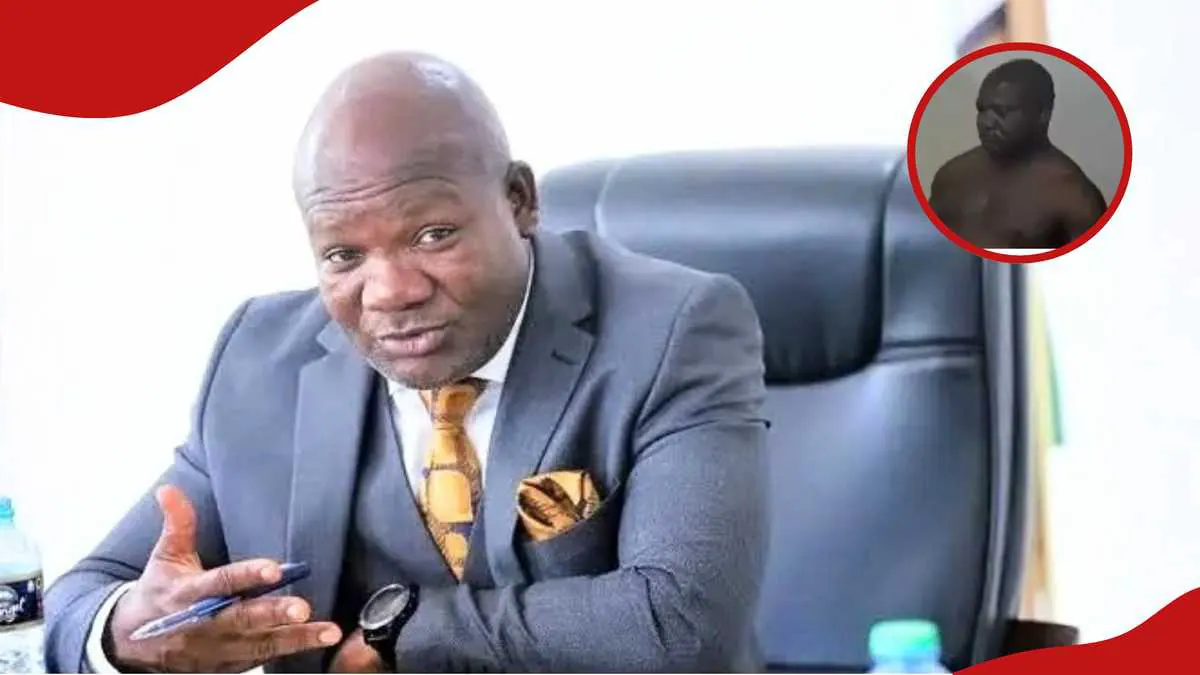
Kakamega Governor Fernandes Barasa has publicly rejected a viral video claiming to show him participating in a witchcraft ritual. His office described the footage as manipulated and AI-generated material designed to tarnish his image. The Governor's Press Unit issued a statement addressing the circulation of the video, which they attributed to some politicians and their associates. The statement named a specific politician and his allies, accusing them of deliberately circulating the content on social media platforms.
The Governor's Press Unit defended Barasa's character, describing him as a committed Christian whose approach to public service is grounded in his faith. The statement confirmed that legal proceedings had been launched against anyone believed to be involved in publishing and sharing the material. However, the governor's office did not elaborate on the specific legal charges being pursued or the timeline for those proceedings. This move aims to protect Barasa's reputation and address concerns about the use of AI-generated content in politics.
Kenyans reacted to the viral video on social media, with opinions split between those concerned about the quality of political discourse and others who questioned the circumstances under which the footage was supposedly recorded. One user, @Kim, called for greater political maturity, emphasizing that leaders should sell their vision on merit, without resorting to insults. This sentiment reflects a growing concern in Kenya over the use of artificial intelligence tools to fabricate politically damaging content ahead of the 2027 General Election cycle.
Other social media users expressed skepticism about the AI-generated video, with @Humphrey questioning the presence of a camera in a private setting. Another user, @Kelvin, highlighted the challenge of countering AI misinformation among older generations, wondering how to explain the concept to his grandma. These reactions demonstrate the complexities of addressing AI-generated content in Kenya's political landscape.
The episode reflects a growing concern in Kenya over the use of artificial intelligence tools to fabricate politically damaging content. As rival political camps intensify their campaigns across the country, the issue of AI-generated misinformation is likely to become more prominent. The Kenyan government and citizens must navigate this new challenge to ensure the integrity of the electoral process.
In other news, Bungoma Governor Kenneth Lusaka has a family connection to Kakamega Governor Fernandes Barasa. The two governors recently joined mourners to pay their respects to Juliana Kasili, who was revealed to be an aunt to Lusaka's wife, Dr. Margaret Makelo. This shared family connection between the governors surprised many Kenyans, who had not known about the bond between the two county leaders.
The viral video and subsequent reactions have sparked a conversation about the role of technology in Kenyan politics. As the country prepares for the 2027 General Election cycle, politicians and citizens must be aware of the potential for AI-generated content to influence public opinion. The incident serves as a reminder of the need for vigilance and critical thinking in the face of manipulated information.
Key points
- Kakamega Governor Fernandes Barasa's office attributes the viral video to AI manipulation and accuses a specific politician and his allies of deliberately circulating the content.
- Kenyans react to the viral video, calling for greater political maturity and expressing concerns about AI-generated misinformation.
- The incident highlights the growing concern in Kenya over the use of artificial intelligence tools to fabricate politically damaging content ahead of the 2027 General Election cycle.