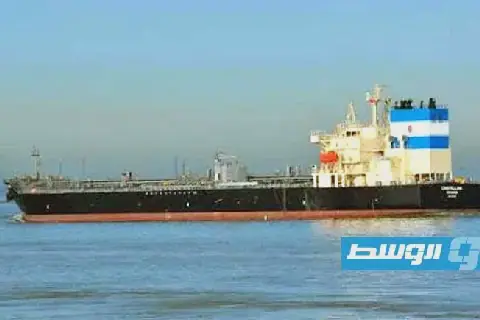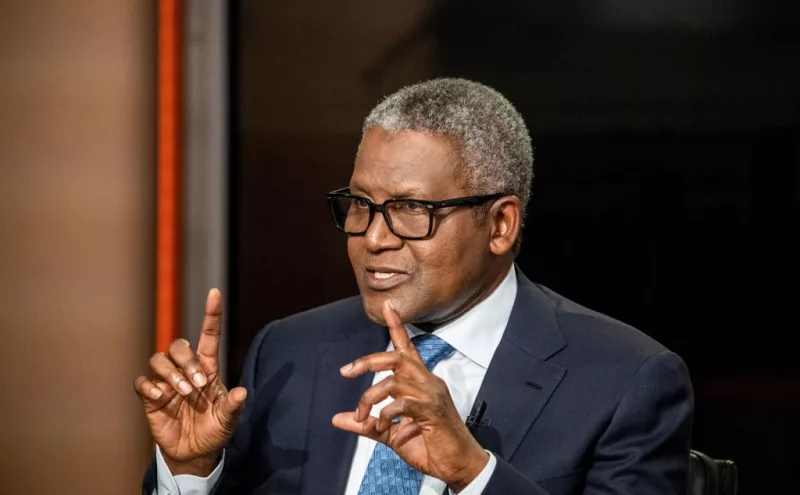
Nigerian tycoon Aliko Dangote's mega oil refinery project off the Kenyan coast in Lamu has sparked controversy, with critics questioning its environmental impact and potential exploitation by politicians for re-election gains. The facility, expected to process up to 700,000 barrels a day, has been hailed as a game-changer for Kenya's economy. However, concerns have been raised about the project's potential effects on the local marine ecosystem and biodiversity. The project has also been criticized for its perceived lack of due diligence, including feasibility studies and environmental and social impact assessments.
The controversy surrounding the project has been fueled by Kenya's messy politics, with some critics suggesting that President William Ruto may use the project as a re-election gimmick in 2027. Others have questioned what benefits Dangote seeks in return for his investment of about Sh2.2 trillion. The debate over the project has also been influenced by global climate change politics, with some arguing that it is a necessary step towards industrialization, while others claim that it will harm the environment.
Greenpeace Africa has been vocal in its opposition to the project, citing concerns over the potential damage to East Africa's most fragile coastal ecosystems. The organization has also argued that the promise of "thousands of jobs" cannot be used to hide the true cost of the investment. According to Sherelee Odayar, oil and gas campaigner at Greenpeace Africa, the project threatens to damage Lamu's mangroves, coral reefs, and seagrass beds, which support fisheries, livelihoods, and coastal protection.
However, proponents of the project argue that it is a necessary step towards Kenya's economic liberation. They claim that the project will create jobs and stimulate economic growth, which is essential for reducing poverty and inequality in the country. The parcel of land for the project is in a special economic zone that was gazetted for such development initiatives, and residents had engaged with the gazettement process.
The debate over the project has also highlighted the need for a more balanced approach to development and environmental conservation. While there is a need to protect the environment, there is also a need to promote economic growth and development. The Kenyan government has a responsibility to ensure that the project is implemented in a way that balances economic and environmental interests.
The Lamu refinery project is not an isolated incident, as similar projects have faced opposition in other parts of Africa. There is a perceived pattern of general objection from certain quarters whenever large-scale projects are proposed, especially those involving foreign investment. However, it is essential to evaluate each project on its merits and ensure that it aligns with the country's development goals and environmental regulations.
Ultimately, the success of the Lamu refinery project will depend on the government's ability to balance competing interests and ensure that the project is implemented in a responsible and sustainable manner. The project has the potential to transform Kenya's economy, but it must be done in a way that protects the environment and promotes sustainable development.
Key points
- The Dangote project's controversy is fueled by concerns over environmental impact, 2027 politics, and perceived lack of due diligence.