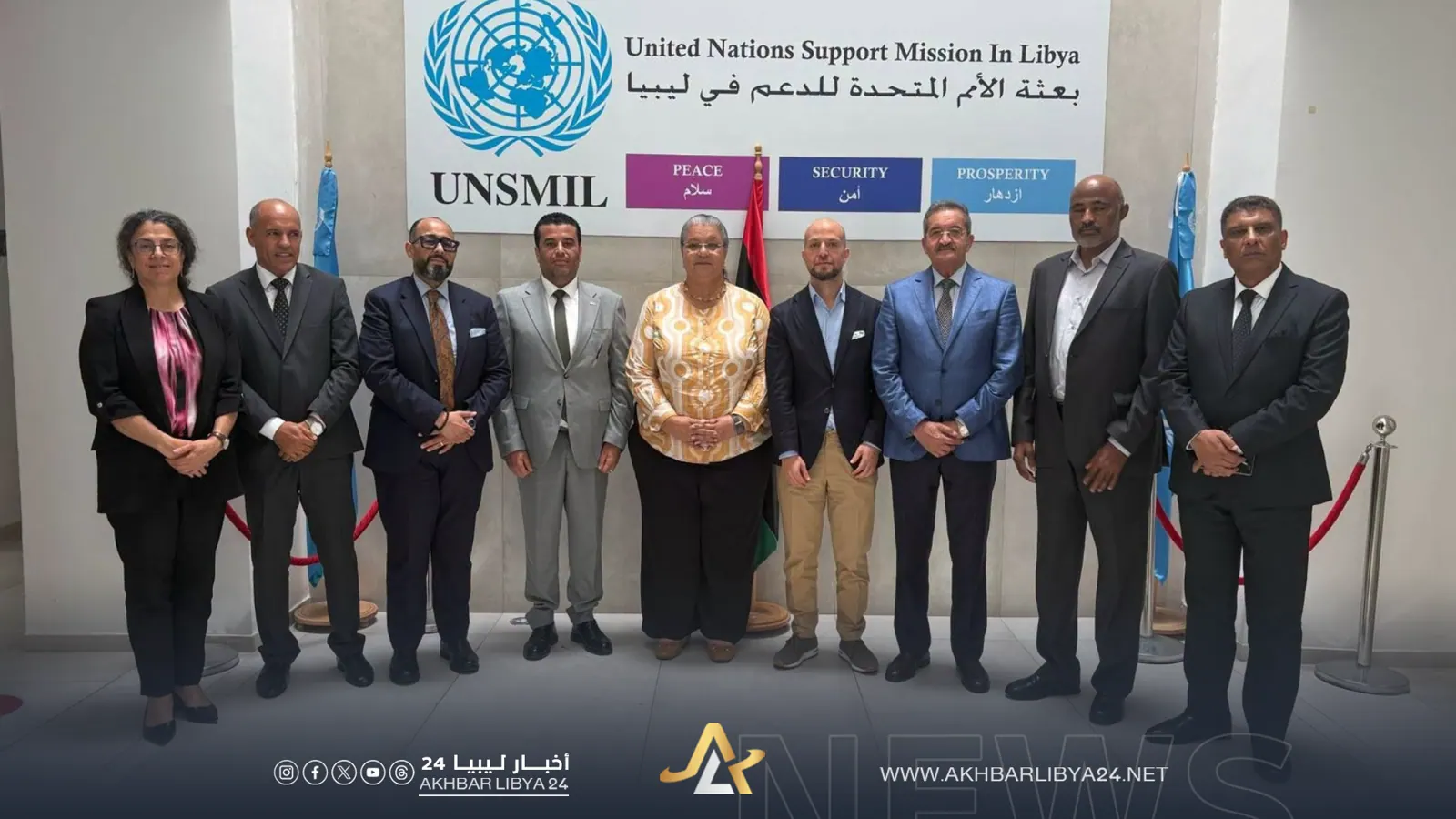
The 4+4 committee, comprising representatives from Libya's key political stakeholders, commenced meetings in Tunisia's capital on October 4, 2026. The committee aims to address pressing issues in Libya's political landscape, including sovereign positions, judicial unification, and the electoral process. According to sources, the meetings seek to build on previous understandings and agreements reached by the committee members. The discussions are crucial in advancing Libya's political process and promoting national stability.
The 4+4 committee's meetings focus on implementing understandings related to sovereign positions and unifying the judiciary. These issues are central to Libya's political process, and their resolution is essential for the country's progress. The committee's efforts are part of a broader initiative to unify Libya's institutions and promote a smooth transition to a stable and democratic government. The meetings also aim to address challenges hindering the completion of Libya's political and electoral processes.
A significant aspect of the 4+4 committee's discussions is the electoral process, particularly the legal frameworks governing the upcoming elections. The committee seeks to resolve differences between Libya's key institutions, including the House of Representatives and the High Council of State. The two bodies have divergent views on the necessary procedures for amending electoral laws, reflecting ongoing tensions between them.
One of the key areas of disagreement is the eligibility criteria for presidential candidates, particularly with regard to military personnel and dual citizens. The committee's proposed understandings suggest allowing military personnel and dual citizens to run for office, provided they renounce their foreign nationality before taking the constitutional oath. However, this proposal has raised concerns among some stakeholders.
The 4+4 committee's meetings also address the issue of holding presidential and parliamentary elections concurrently. While there is a general agreement to hold the elections within 24 months, as stipulated in the August 30 agreement, the specifics of the electoral process remain a subject of debate. The committee's discussions aim to find a mutually acceptable solution to these issues.
The ongoing differences between Libya's institutions reflect deeper challenges in the country's transition to democracy. The 4+4 committee's efforts are crucial in bridging the gaps between the various stakeholders and promoting a shared vision for Libya's future. The committee's meetings are expected to contribute to a more cohesive approach to addressing Libya's pressing issues.
The outcome of the 4+4 committee's meetings will be closely watched by Libyans and international observers. A successful meeting could help to revitalize Libya's stalled political process and pave the way for much-needed reforms. The committee's discussions are a critical step towards achieving a more stable and democratic Libya.
Key points
- The 4+4 committee's meetings in Tunisia aim to address key issues in Libya's political landscape, including sovereign positions, judicial unification, and the electoral process.