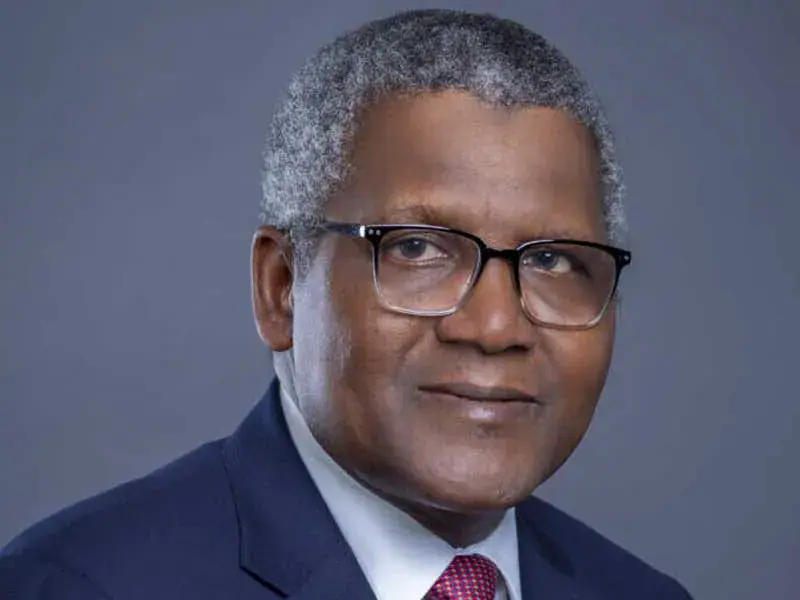
Alhaji Aliko Dangote, Chairman of Dangote Group, is in talks with the Ghanaian government over a proposed cocoa-processing arrangement involving 500,000 metric tonnes. The deal aims to support Ghana's ambition to retain more earnings from its agricultural produce by expanding domestic processing. This move aligns with Ghana's goal to process 50 per cent of its locally produced cocoa by 2028 and 100 per cent by 2030.
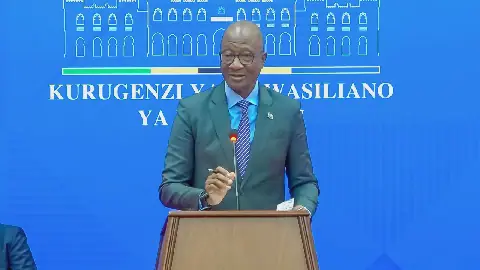
Ghana's Finance Minister, Dr. Cassiel Ato Forson, disclosed the ongoing discussions in an interview after presenting the country's 2027 Budget to Parliament. He stated that negotiations were continuing, with the terms of the proposed contract undergoing review. However, he did not announce a signed agreement or disclose the investment value, processing location, implementation timetable, or period covered by the proposed arrangement.
The proposed arrangement would extend Dangote's agricultural investments into cocoa processing and support Ghana's ambition to move more of its cocoa value chain into the domestic economy. According to Forson, Dangote has reached out to use Ghana as a hub to process cocoa locally. The government wants companies purchasing Ghanaian cocoa to establish processing operations within the country, allowing the economy to capture a greater share of the value generated beyond the export of raw beans.
The policy places domestic processing at the centre of Ghana's efforts to strengthen its agricultural value chain. The proposed Dangote arrangement offers a potential private-sector vehicle for advancing that objective. Forson said Ghana's position was to encourage investment in local value addition alongside purchasing its cocoa beans. The government is not opposed to companies buying Ghanaian cocoa beans but wants them to add value within the country.
A new Cocoa Board Act before Parliament would include a mandatory local-processing requirement. A legislative instrument would set the timetable for increasing domestic processing to the government's targets. The proposed framework would give legislative backing to the processing drive. However, the minister's comments indicated that the law and the commercial discussions with Dangote remained at different stages of consideration.
The cocoa initiative forms part of a wider agricultural modernisation programme through which Ghana hopes to expand domestic production and reduce expenditure on imported food. Forson said the country spent approximately $3.5 billion annually importing food products, including palm oil, sugar, rice, and poultry, despite possessing resources that could support increased local production.
The minister identified opportunities to increase maize and soybean production to supply the poultry industry, alongside expanding vegetable farming. The cocoa-processing ambition is linked to a broader effort to build stronger connections between agriculture and industry. The talks with Dangote are part of Ghana's efforts to strengthen its agricultural value chain and reduce dependence on imported food products.
Key points
- The proposed deal would support Ghana's goal to process 50 per cent of its locally produced cocoa by 2028 and 100 per cent by 2030.
- The arrangement would extend Dangote's agricultural investments into cocoa processing.
- Ghana spent approximately $3.5 billion annually importing food products.