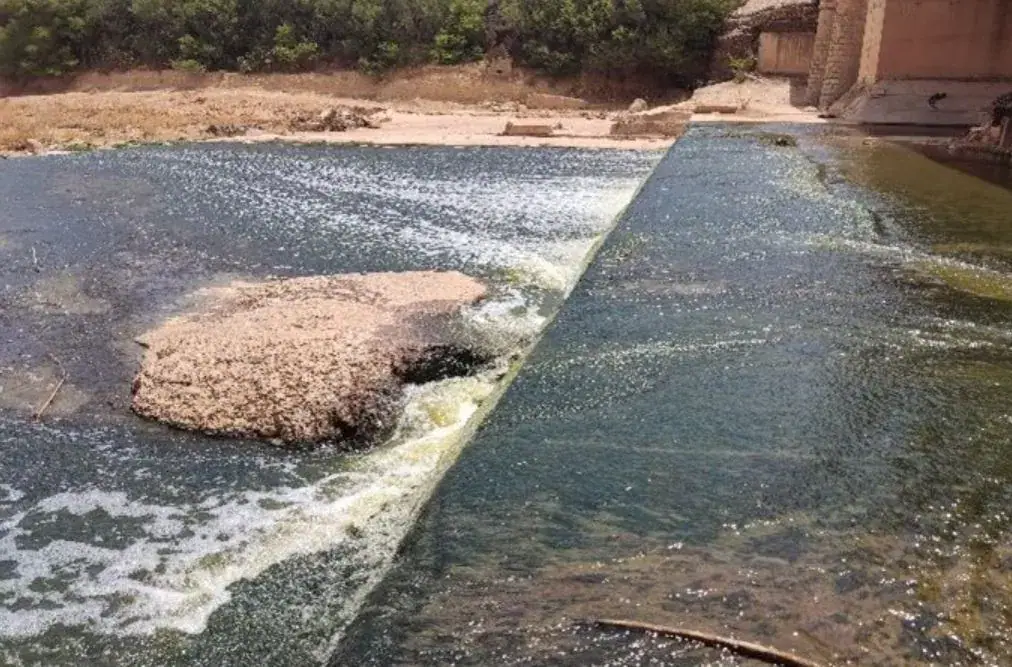
Algeria's western border regions are facing severe ecological threats due to pollution from a neighboring country, which is affecting the country's water resources and ecosystems. The pollution, which includes chemical and organic pollutants, is having a devastating impact on the region's water sources, including rivers, dams, and wetlands. Experts warn that the situation is dire and requires immediate attention to prevent further damage.
The situation is particularly concerning in the Tlemcen and Bechar provinces, where the water resources are under severe threat. The Oran-Bchar-Tlemcen watershed, which is a vital source of water for irrigation, drinking water, and industrial activities, is heavily polluted. The pollution is not only affecting the environment but also posing serious health risks to local communities. Experts have been warning about the dangers of pollution in the region for years, but the situation continues to deteriorate.
Dr. Touhami Merzouki, a specialist in water and environment at the University of Bechar, has highlighted the urgent need for action to address the pollution. He emphasizes that the water resources in the region cannot be treated as separate entities and that a comprehensive approach is needed to address the problem. Merzouki also stresses the importance of adopting modern technologies to monitor water resources and ecosystems, including remote sensing and geographic information systems.
The pollution is having a significant impact on the region's biodiversity, with many species of fish and other aquatic life threatened or already extinct. The situation is also affecting the local economy, particularly the agricultural sector, which relies heavily on irrigation. Experts warn that if the pollution is not addressed, it could have severe consequences for the region's food security and economic development.
Cheraki Abdeljalil, head of the Algerian Environment and Citizenship Organization, has warned of the dangers of phosphorus and toxic algae in the region's water resources. He emphasizes that the situation is not only an environmental issue but also a public health concern. Abdeljalil calls for urgent action to address the pollution, including the implementation of measures to reduce the amount of pollutants entering the water resources.
Experts have proposed several solutions to address the pollution, including the creation of a technical committee to monitor water resources and develop strategies to mitigate the effects of pollution. They also recommend the adoption of modern technologies, such as remote sensing and geographic information systems, to monitor water resources and ecosystems. Additionally, experts emphasize the need for greater investment in water treatment and recycling infrastructure.
The Algerian government has been urged to take immediate action to address the pollution and protect the country's water resources and ecosystems. The situation requires a comprehensive and coordinated approach, involving government agencies, civil society organizations, and local communities. Experts warn that if the pollution is not addressed, it could have severe and long-lasting consequences for the region's environment, economy, and public health.
Key points
- Algeria's water resources and ecosystems are under severe threat from pollution, which is affecting the country's biodiversity, economy, and public health.
- Experts warn that urgent action is needed to address the pollution, including the adoption of modern technologies and the implementation of measures to reduce pollutants.
- The situation requires a comprehensive and coordinated approach, involving government agencies, civil society organizations, and local communities.
Reporting sources
- توظيف التكنولوجيا في مراقبة الموارد المائية والأنظمة البيئية · echoroukonline.com