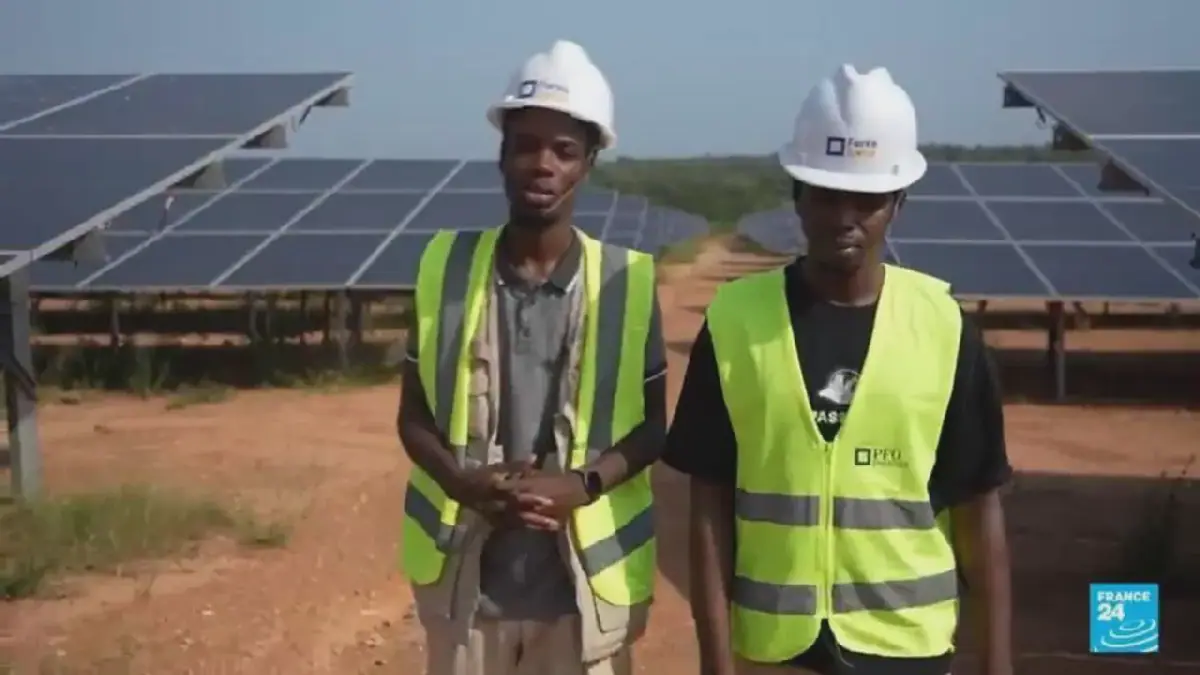
Ivory Coast has taken a significant step towards increasing its renewable energy capacity with the inauguration of a new solar power plant in Ferkessédougou, in the north of the country. The plant, which was opened in July 2026, is expected to generate nearly 90 gigawatt-hours of electricity per year. This development is part of the country's efforts to reduce its dependence on fossil fuels and make its energy consumption more sustainable. The project is a significant milestone in Ivory Coast's transition to cleaner energy sources.
The new solar power plant is a crucial component of Ivory Coast's strategy to increase its renewable energy production. Currently, the country remains heavily dependent on fossil fuels for its energy needs. However, with the commissioning of this plant, Ivory Coast aims to reduce its carbon footprint and promote sustainable energy consumption. The plant's capacity will help meet the country's growing energy demands while reducing its reliance on imported fuels.
Ivory Coast's energy sector has been facing significant challenges in recent years, including high energy costs and limited access to electricity in rural areas. The government has been exploring various options to address these challenges, including investing in renewable energy sources. The new solar power plant in Ferkessédougou is part of this effort, and it is expected to have a positive impact on the country's energy landscape.
The inauguration of the solar power plant is a significant achievement for Ivory Coast, and it demonstrates the country's commitment to promoting sustainable energy development. The project is also expected to create new economic opportunities for local communities and contribute to the country's economic growth. Furthermore, the plant's operation will help reduce greenhouse gas emissions and mitigate the impacts of climate change.
According to a report by Julia Guggenheim, the solar power plant in Ferkessédougou is a notable example of Ivory Coast's efforts to transition to cleaner energy sources. The report highlights the country's potential for solar energy development and the need for continued investment in renewable energy infrastructure. The government's commitment to promoting sustainable energy development is critical to achieving its energy goals.
The development of the solar power plant in Ferkessédougou is also significant in the context of Africa's broader energy landscape. Many countries on the continent are facing similar energy challenges, including high energy costs and limited access to electricity. The success of Ivory Coast's solar power plant project could serve as a model for other countries in the region, demonstrating the feasibility and benefits of investing in renewable energy sources.
As Ivory Coast continues to develop its renewable energy capacity, the country is likely to face new challenges and opportunities. The government's ability to sustain its commitment to promoting sustainable energy development will be critical to achieving its energy goals. With the inauguration of the solar power plant in Ferkessédougou, Ivory Coast has taken a significant step towards a cleaner and more sustainable energy future.
Key points
- The new solar power plant in Ferkessédougou is expected to generate nearly 90 gigawatt-hours of electricity per year.
Reporting sources
- A deep dive into Ivory Coast's solar energy goals · France 24 Africa