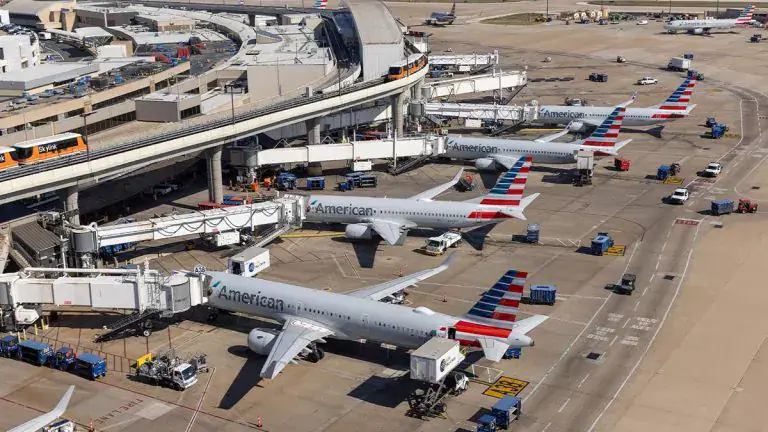
A recent installation of a router at a wireless station in Arkansas has caused the second-largest air travel disruption in US history. The device, manufactured by Juniper Networks, began sending large amounts of data to the air traffic control communication network, overwhelming its infrastructure. This led to a nationwide halt in flights, with 17 of 22 Federal Aviation Administration (FAA) centres affected.
According to Rebecca Guy, Chief Technology Officer at the FAA, technical teams identified two locations in Arkansas and Texas that were sending an unusually high number of connection requests to the network - approximately 1,000 requests every 4-5 seconds. This resulted in a significant overload on the communication infrastructure, prompting the FAA to issue a nationwide grounding of flights.
The crisis began shortly after L3 Harris Technologies, a contractor for the FAA, installed the Juniper Networks router. The device's "broadcast" feature caused an excessive flow of data across the network, leading to the disruption. To restore stability, the FAA disconnected the routers at the two locations and disabled the broadcast feature on all similar devices.
In response to the incident, Brian Bedford, FAA Administrator, announced an investigation into whether the malfunction was caused by a defect in the device itself or an error in installation and configuration by the contractor. Meanwhile, HP Enterprise, the parent company of Juniper Networks, stated that its devices functioned as intended.
US Transportation Secretary, Sean Duffy, assured that there was no evidence of malicious intent behind the incident. He emphasized that investigations are focused on determining whether a technical glitch or contractor error was responsible for the disruption. Duffy also warned that air travel disruptions may persist until the network upgrade project is completed, which includes replacing all copper wires with fibre-optic cables by the end of 2028.
The FAA's network upgrade project aims to modernize the country's air traffic control system, enhancing its reliability and resilience. The project involves replacing outdated infrastructure with state-of-the-art technology, including fibre-optic cables and more advanced routers. Once completed, the upgraded network is expected to significantly reduce the likelihood of similar disruptions.
The incident highlights the critical importance of robust and reliable communication infrastructure in the aviation sector. As the investigation into the cause of the disruption continues, the FAA and its contractors are working to prevent similar incidents in the future. The successful implementation of the network upgrade project will be crucial in ensuring the continued safety and efficiency of US air travel.
Key points
- The disruption was caused by a faulty router installed at a wireless station in Arkansas, which sent excessive amounts of data to the air traffic control communication network.
- The incident led to a nationwide halt in flights, affecting 17 of 22 Federal Aviation Administration centres nationwide.
- The US Department of Transportation is investigating the cause of the disruption, with a focus on determining whether a technical glitch or contractor error was responsible.
Reporting sources
- كيف تسبب جهاز واحد في ثاني أكبر أزمة طيران بأمريكا؟ · Barlamane.com