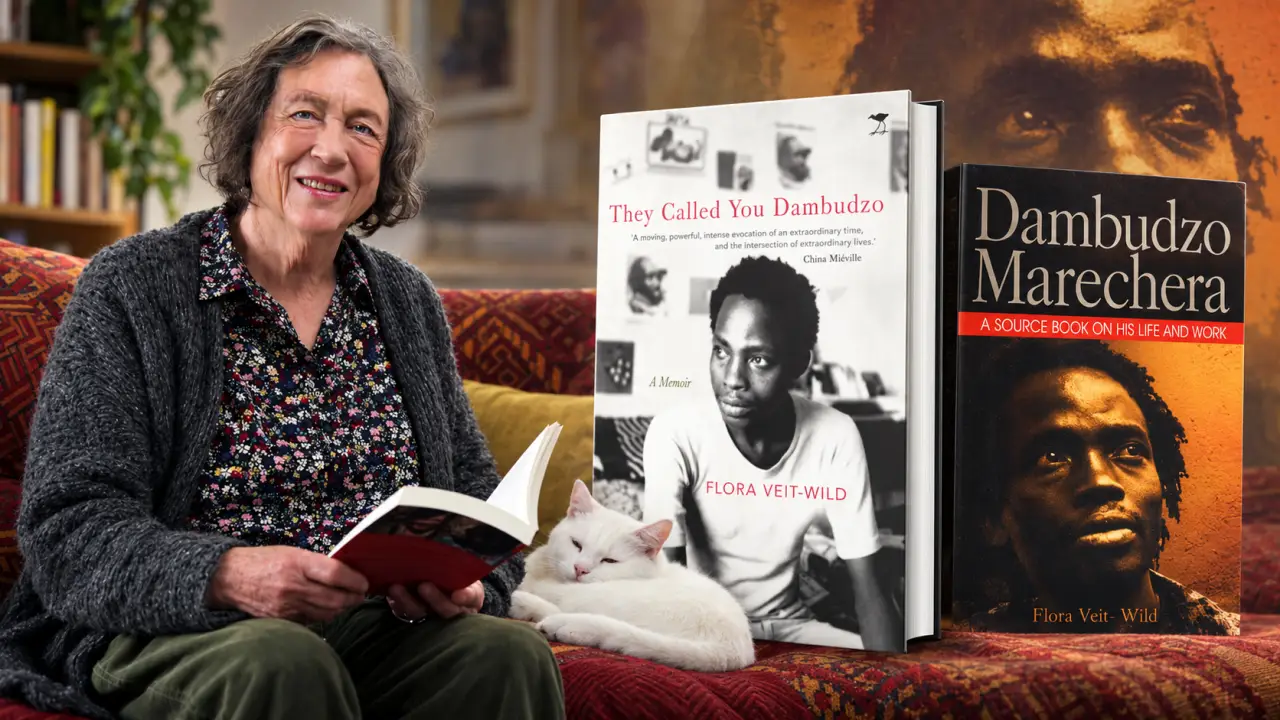
In 1987, German scholar Flora Veit-Wild received a devastating diagnosis from a doctor in Harare. Her lover, Zimbabwean author Dambudzo Marechera, was suffering from AIDS-related pneumonia. Shortly after, Flora took her own blood test, which revealed she was HIV-positive. Despite this brutal reality, Flora chose not to inform Marechera about her diagnosis, fearing the guilt it might bring him during his final days.
The intense love affair between Flora and Marechera began in 1983 when Flora, a cultivated German scholar, met Marechera at the Zimbabwe Publishing House. Marechera, 31 years old at the time, was a literary prodigy living out of a battered suitcase and moving between temporary shelters. Flora was instantly fascinated by Marechera's uncompromising iconoclasm and wild intellect. Their professional curiosity soon transformed into an intense sexual relationship.
The affair was complicated by Marechera's profound paranoia and racial anxiety. He questioned Flora's motives, suspecting she was using him for academic prestige or as an agent for the Central Intelligence Organisation. In one fit of jealousy, Marechera smashed Flora's car window and hurled a raw, racialised sexual accusation. This reflected the agonising dynamics of their relationship, with Marechera terrified of being fetishised or abandoned.
The relationship evolved into a strange domestic triangle, with Flora's husband Victor aware of the affair. Victor recognised Marechera's extraordinary literary talent and shared Flora's desire to protect him. Marechera was invited to live on the family's property, relying on Victor and Flora for shelter, money, and emotional stability. This highly volatile arrangement collapsed love, pity, academic patronage, and sexual passion into one.
As Marechera's physical condition deteriorated, Flora spent his final months caring for him. She took him to clinics and attempted to bring order to his chaotic life. Victor's reaction to Flora's HIV diagnosis captured the extraordinary absence of conventional jealousy in their domestic life. He stated that nobody was to blame, as no one knew about AIDS at the time.
Flora's decision to keep her diagnosis silent marked one of African literature's most intense, transgressive, and enduring love affairs. The tragic secret would forever be etched in their relationship. Marechera's attraction to Flora was laced with paranoia, while Flora was drawn to his wild intellect, which offered an escape from her comfortable bourgeois existence.
Flora Veit-Wild's memoir, They Called You Dambudzo, and her essay, Me and Dambudzo, provide a candid account of their tempestuous love affair and its literary legacy. Her work preserving Marechera's literary legacy has ensured his brilliant, nomadic mind continues to inspire readers. The complex, often painful relationship between Flora and Marechera remains a testament to the enduring power of love and literature.
Key points
- Flora Veit-Wild chose not to tell Dambudzo Marechera about her HIV diagnosis to spare him guilt during his final days.