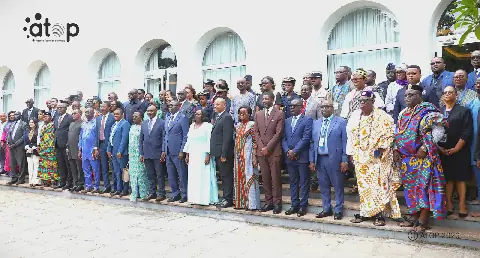
Ambassador Abdulrahman Bello Dambazau, Nigeria's current Envoy to the People's Republic of China, has left a lasting legacy in the country's immigration administration. During his tenure as Minister of Interior from 2015 to 2018, he spearheaded revolutionary reforms at the Nigeria Immigration Service (NIS) aimed at strengthening the service, improving service delivery, and contributing to nation-building. These reforms have had a profound impact on the country's immigration landscape.
One of Ambassador Dambazau's notable interventions was his proactive implementation of presidential directives on the Ease of Doing Business in Nigeria. He directed the NIS to update its website, making it more user-friendly and accessible to the public. Additionally, he simplified the process and procedure for the issuance of the Visa on Arrival (VOA) facility, allowing applicants to submit necessary documents via email. This move significantly eased the process for prospective travelers.
Under Ambassador Dambazau's leadership, the land and sea control posts underwent modernization. Newly built and automated baggage clearance facilities were established at various control posts, including Seme, Idi-Iroko, and Illela. These upgrades redefined Nigeria Immigration operations and service delivery, enhancing the overall experience for users of these routes. The modernization of control posts was a significant step towards improving border management.
Ambassador Dambazau also set up a committee to improve security operations at ports, as part of the strategy for implementing Executive Order 001. The committee's inauguration in Abuja marked a significant milestone in the drive to enhance port operations and ease doing business in Nigeria. By improving operations at ports, the government aimed to boost economic activity and reduce bureaucratic hurdles.
In the area of service delivery, Ambassador Dambazau aimed to operate a world-class service without compromising national and global security. He changed the nomenclature and operational scope of the Directorate responsible for passport administration and control. A new Directorate was created to handle Nigerian travel documents more effectively and efficiently. This reform improved the administration of passports and other travel documents.
Ambassador Dambazau established new passport offices, including the Dawakin Kudu Passport Office in Kano and the Gwagwalada Passport Office in the Federal Capital Territory. Front-end passport desks were also set up at strategic locations, such as the State House, National Assembly, and Ministry of Foreign Affairs, to cater to government officials. These initiatives brought NIS services closer to the people, enhancing service delivery and convenience.
Another significant initiative under Ambassador Dambazau was the introduction of Convention Travel Documents (CTDs) for refugees, in line with the United Nations Convention and Protocol relating to the Status of Refugees. The Interior Ministry, through the NIS, collaborated with the Office of the United Nations High Commissioner for Refugees (UNHCR) to roll out the CTD booklet in 2018. This move demonstrated Nigeria's commitment to upholding international refugee law and protecting the rights of refugees.
Key points
- Ambassador Dambazau's reforms at NIS aimed to modernize the service, improve service delivery, and strengthen border management.
- The introduction of biometric visas and the harmonization of the NIS passport system with the National Identity Management Commission (NIMC) enhanced national security and strengthened the integrity of Nigeria's identity management system.
- Ambassador Dambazau's legacy at NIS serves as a foundation for further reforms and improvements in Nigeria's immigration administration.