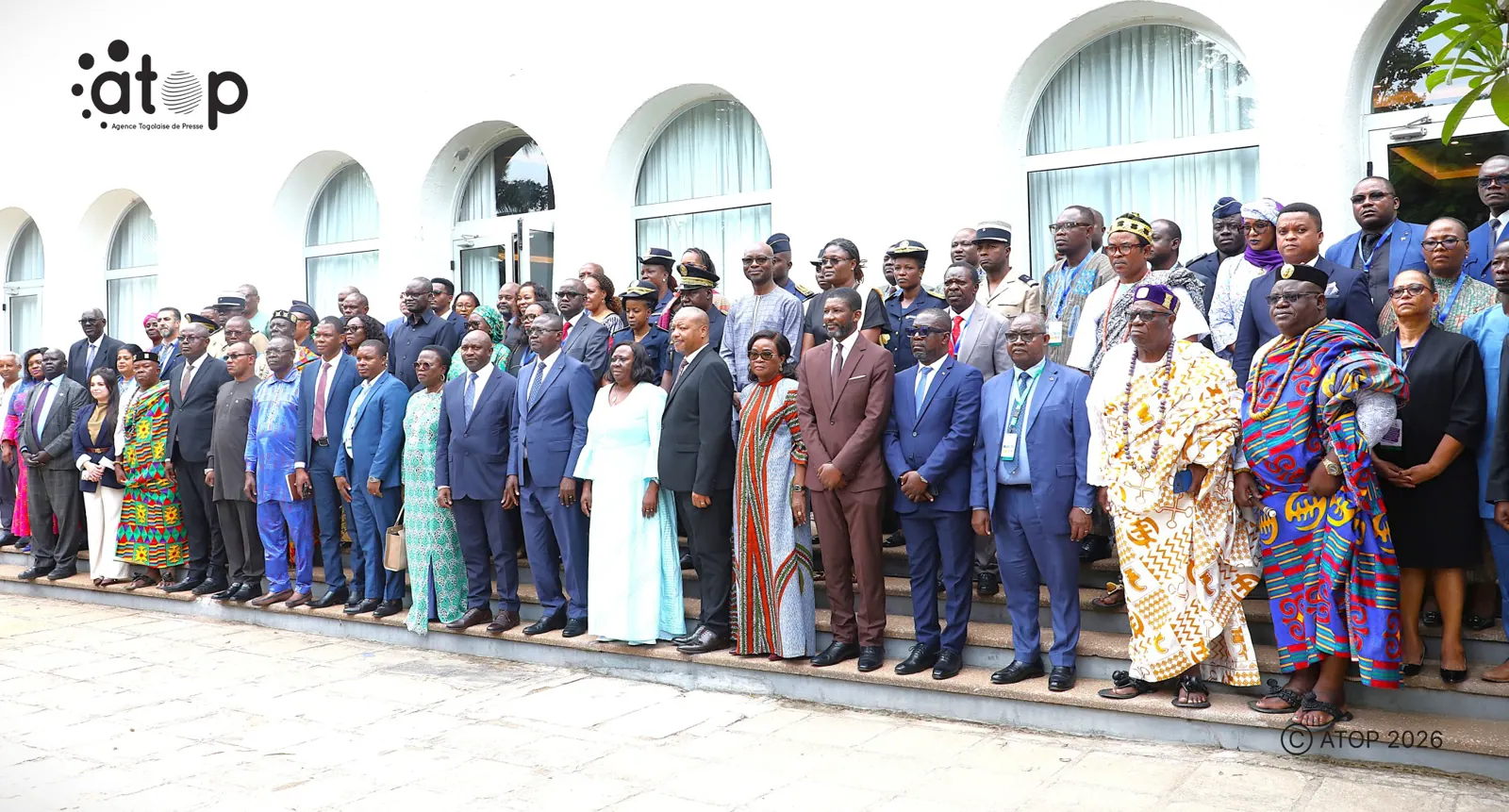
A three-day meeting to establish the African Union's (AU) Consultative Council on Migration and discuss the state of free movement in Africa began on September 28 in Lomé, Togo. The meeting is organized by the AU Commission, in collaboration with the Togolese government and supported by partners, including the International Organization for Migration (IOM), the International Labor Organization (ILO), and the German Development Cooperation (GIZ). The meeting aims to advance reflections on migration governance and mobility in Africa.
The meeting brings together various stakeholders to adopt the mandate of the future Consultative Council, continue dialogue on the AU protocol on free movement of persons, and examine links between mobility and the implementation of the African Continental Free Trade Area (AfCFTA). Participants will also discuss visa exemption regimes and free movement implemented by member states, as well as priorities to be included in the future Council's work plan. The meeting will focus on the modalities of establishing the Consultative Council, electing its bureau, and defining its thematic priorities.
The future Consultative Council will comprise directors-general, heads, and officials of immigration services from AU member states, officials responsible for migration issues within Regional Economic Communities (RECs), and members of the AU's Migration Coordination Committee. The Council is expected to serve as a continental framework for inter-state consultation, providing strategic guidance and advice on border governance and related migration issues in Africa.
The meeting also marks the 20th anniversary of the AU's Migration Policy Framework for Africa, adopted in 2006. The framework recognized that migration is not a problem, but rather a phenomenon that can be harnessed for Africa's development. The AU's representative, Dr. Sabelo Mbokazi, noted that African countries have acknowledged the importance of managing migration effectively.
Togo's Minister of Territorial Administration, Colonel Awaté Hodabalo, emphasized the need for a more integrated and connected Africa, open to the mobility of its citizens. He noted that African migration realities are shaped by factors such as demographic growth, urbanization, economic transformations, labor needs, commercial exchanges, and student and professional mobility. The Minister added that these realities are also influenced by crises and environmental degradation.
Colonel Awaté expressed hope that the future Consultative Council will be a platform for consultation, expertise, experience sharing, and coordination, contributing to more coherent and effective migration governance in Africa. The meeting will also discuss migration trends on the continent and border governance.
The meeting's outcomes are expected to enhance the AU's efforts to promote free movement and effective migration governance in Africa. The establishment of the Consultative Council is a significant step towards achieving these goals, and its success will depend on the active engagement of member states and stakeholders.
Key points
- The African Union's Consultative Council on Migration aims to provide strategic guidance and advice on border governance and related migration issues in Africa.
- The meeting in Lomé marks the 20th anniversary of the AU's Migration Policy Framework for Africa, adopted in 2006.
- The future Consultative Council will comprise representatives from AU member states, Regional Economic Communities, and the AU's Migration Coordination Committee.