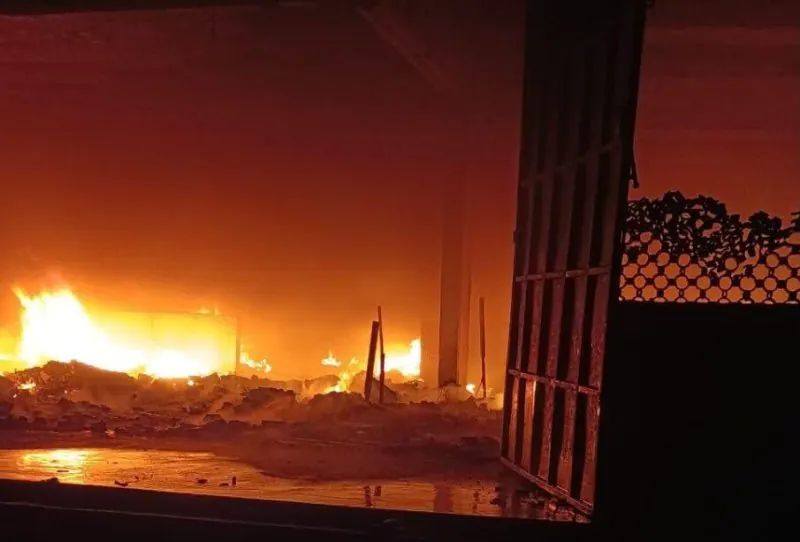
A devastating fire broke out at the Anie market in Togo on September 28, 2026, destroying a major store and leaving vendors facing significant losses. The fire, which started around 3 am, ravaged the store, consuming goods and merchandise. Despite the rain and prompt intervention from emergency services, the origin of the fire remains unknown. The scene at the market was one of utter desolation, with only remnants of the fire's destructive path remaining.
The fire caused extensive damage to the store, with goods and merchandise being completely destroyed. Vendors are now facing substantial financial losses, with many having invested significant amounts of money and time into their stock. The destruction of their goods has left many vendors worried about the future of their businesses. The impact of the fire will be felt for a long time, with many vendors relying on the market as their primary source of income.
The rain that fell in the area helped to slow the spread of the fire, and emergency services were quick to respond. SINTO, with its fire trucks, and firefighters from Atakpame, were instrumental in bringing the fire under control. Their prompt action prevented the fire from spreading to other parts of the market, which could have led to even more severe consequences. The efforts of the emergency services were crucial in minimizing the damage.
Despite the efforts of the emergency services, the origin of the fire remains a mystery. Authorities have not yet determined the cause of the fire, and an investigation is expected to be launched to establish the circumstances surrounding the incident. Identifying the cause of the fire is essential to prevent similar incidents from occurring in the future. The investigation will likely examine various factors, including electrical issues and other potential causes.
The Anie market fire highlights the vulnerability of markets to fire risks. Many markets in Togo and beyond face challenges related to fire safety, including inadequate electrical installations, poor access for emergency services, and limited firefighting equipment. The fire also underscores the importance of preparedness and prevention measures to mitigate the impact of such disasters. Markets must take proactive steps to reduce the risk of fires and ensure the safety of vendors and their goods.
The fire has raised concerns about the adequacy of fire prevention and response measures in Togo's markets. To prevent similar incidents, it is essential to have robust safety measures in place, including regular electrical inspections, accessible fire extinguishers, and clear access routes for emergency services. Vendors and market authorities must work together to ensure that markets are safe and resilient. This can be achieved through a combination of education, training, and investment in safety infrastructure.
The Anie market fire serves as a stark reminder of the importance of prioritizing fire safety in markets. As the investigation into the cause of the fire continues, vendors and market authorities must take steps to prevent similar incidents from occurring in the future. This includes investing in fire prevention and response measures, as well as promoting a culture of safety and preparedness among vendors and market users. By working together, it is possible to reduce the risk of fires and ensure that markets remain safe and thriving hubs of economic activity.
Key points
- The fire at the Anie market in Togo has left vendors facing significant losses and raised concerns about the adequacy of fire prevention and response measures in the country's markets.